

The perfect hair routine for Afro hair
Afro hair (4B/4C): Care routine

Afro hair type 4
After covering routines for wavy, curly and frizzy hair, we now turn our attention to Afro hair structure – the strongest, tightest and most sensitive category.
- 4A : very tight S-shaped curls
- 4B : finer, denser hair with a Z-shaped structure
- 4C : very tight, almost flat-looking Z-shape, extremely high shrinkage, fine and fragile fibers
To build an effective hair care routine, it's essential to know the condition of your scalp and the porosity of your hair. Both determine which products your Afro hair truly needs – and how you can achieve maximum moisture, care, and definition.
1. Porosity and structure: What does Afro hair really need?
Afro hair is usually very thick , but at the same time fine and tangles easily.
The porosity – that is, the ability to absorb and store moisture – varies greatly:
Low porosity
- The cuticle layer lies close to
- Products are difficult to acquire
- Hair often appears "coated" or sticky.
→ need slight moisture and warmth for products to be absorbed
Medium porosity
- Absorbs moisture well and stores it reliably
- Curls are defined, elastic, healthy
→ ideal balance of leave-in + cream + oil
High porosity
- The cuticle layer is open
- Moisture gets in, but is immediately lost.
- Often dry, brittle, dull
→ need rich butters, proteins & protective oils
Why Afro hair is more often dry
The spiral structure makes it difficult for the natural sebum to reach the hair lengths.
This is why Afro hair is often missing:
- Hydration (water)
- Lipids (nutrients/fats)
- Protective layer (against friction, drying out)
Additionally, density and fineness lead to knots, shrinkage, and hair breakage .
The solution: a gentle, nourishing and moisturizing routine .
2. The best ingredients for Afro hair
Hydrators (hydration)
These ingredients help to penetrate deep into the hair:
- Aloe Vera – 98% water, soothing, moisturizing
- Glycerin (vegetable-based) – attracts and retains moisture
- Honey – natural humectant
- Rice extracts / Panthenol – strengthen & hydrate
Perfect for dry 4C structures.
Nutritious ingredients
These give Afro hair strength, suppleness and protection:
- Shea butter – rich, nourishing, protective
- Coconut oil – penetrates deeply, reduces protein loss
- Avocado oil – Vitamins B, E, nourishes scalp & hair lengths
- Jojoba oil – similar to natural sebum, protects hair fiber
-
Baobab oil – ideal for dry, brittle Afro hair.
These ingredients prevent hair breakage and improve elasticity.
3. The perfect Afro hair routine
1. Wash gently – without drying out
Afro hair needs a shampoo that:
- sulfate-free
- cleanses the scalp
- but it protects the lengths
Tip: Divide your hair into 4-8 sections before washing to protect the structure and avoid knots.
If you suffer from dandruff :
- Dry dandruff → mild, hydrating shampoo
- Oily dandruff → alternate between mild and conditioning shampoo
A massage tool can help promote blood circulation and distribute the product better.
Afro / Type 4 Hair
The best shampoos for Afro / Type 4 hair


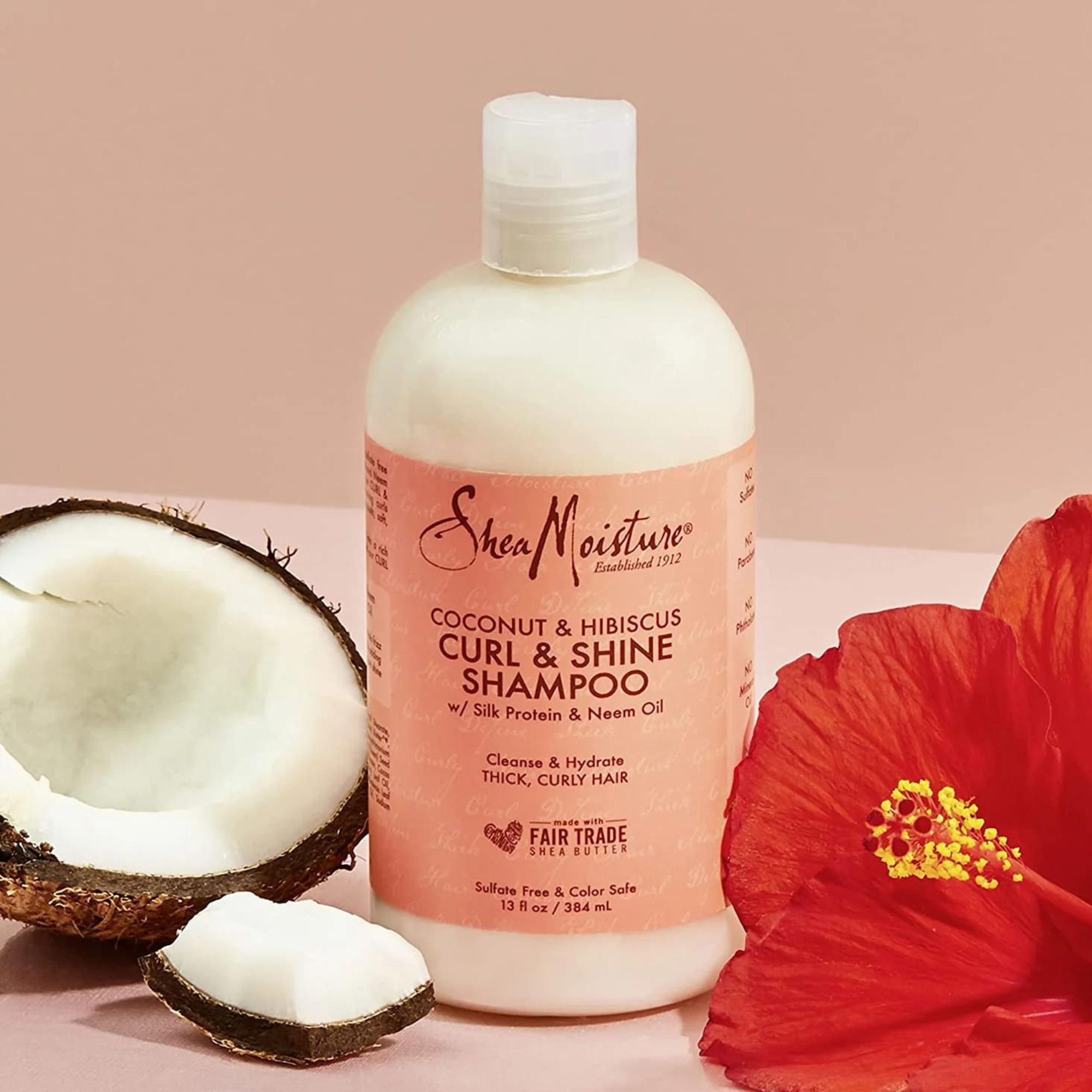


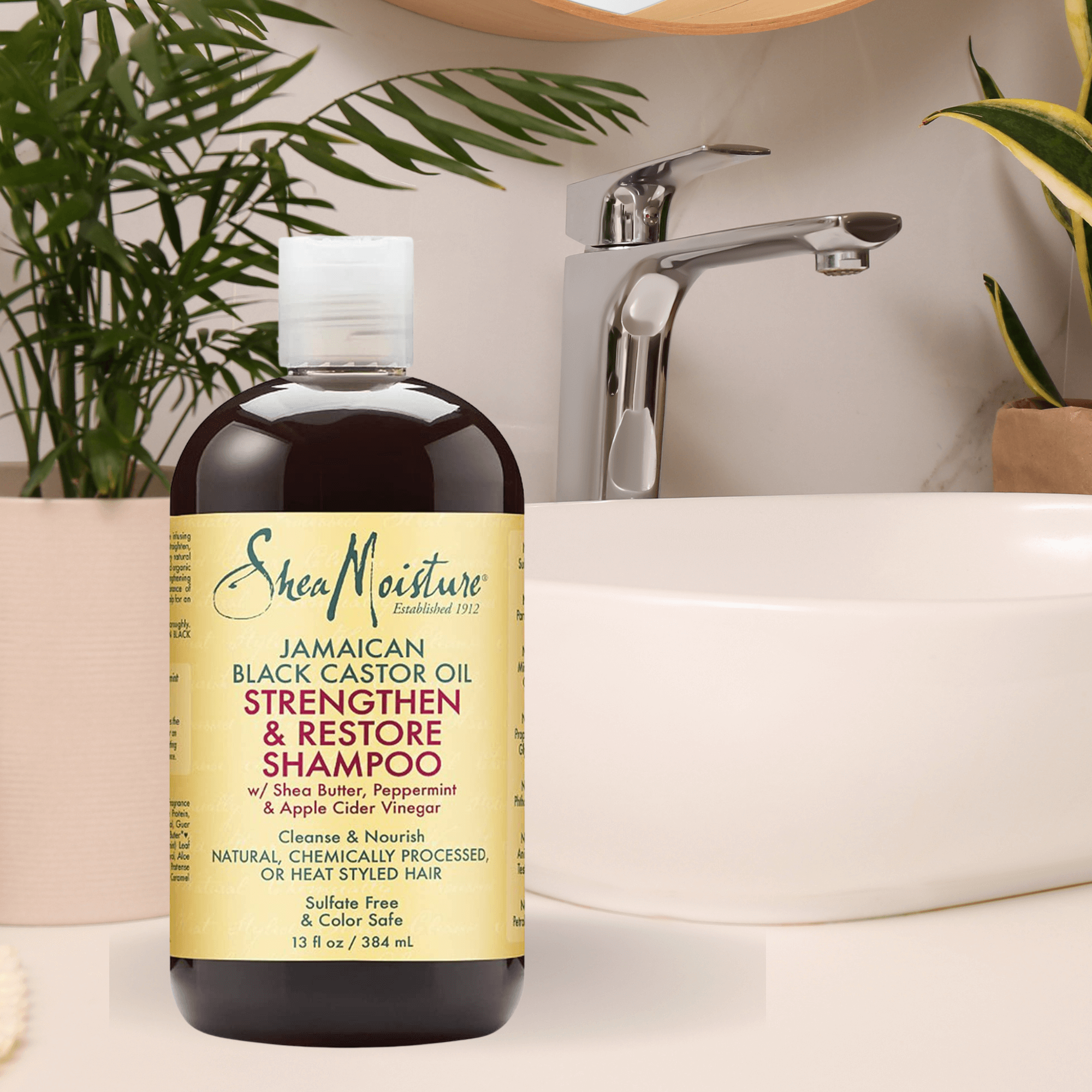


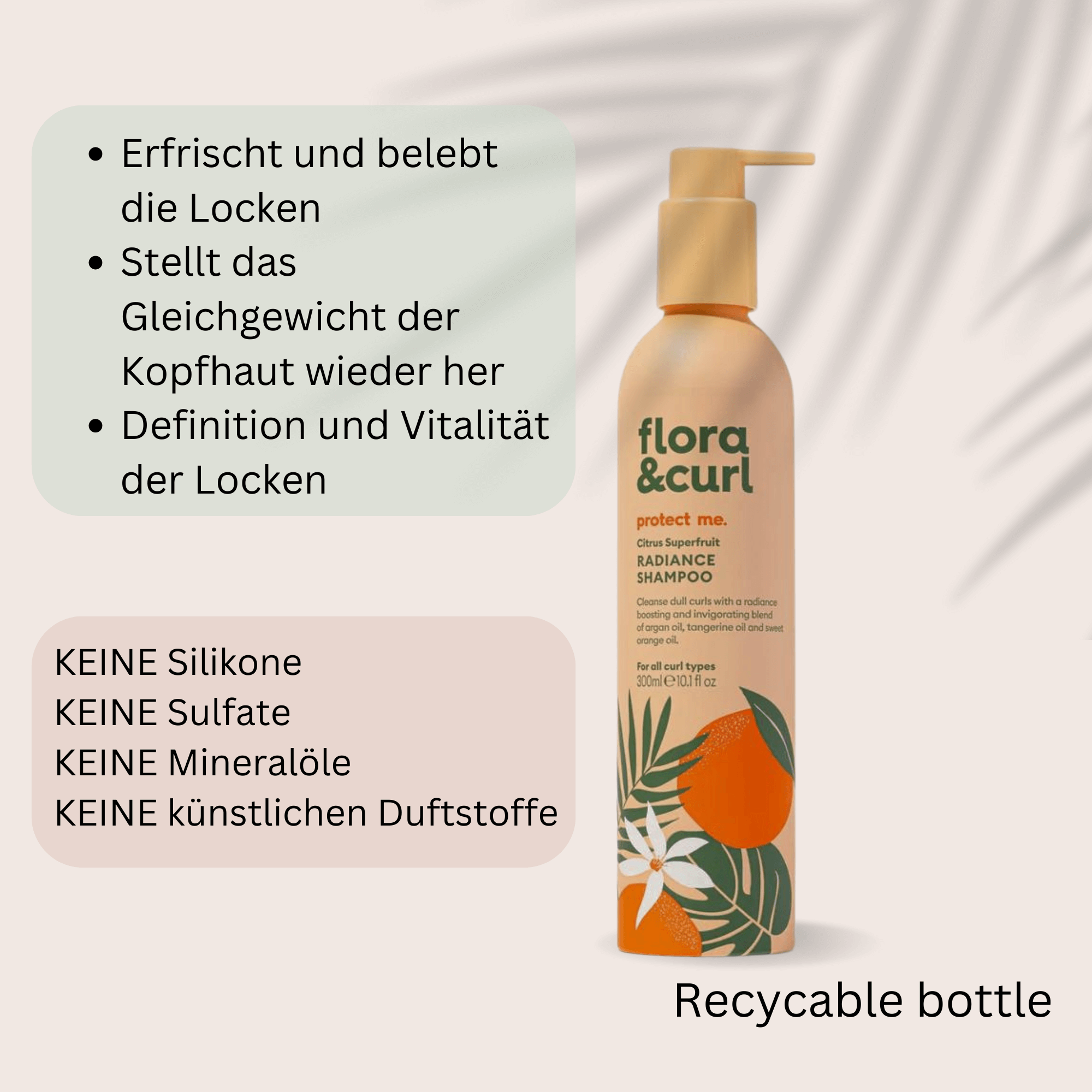
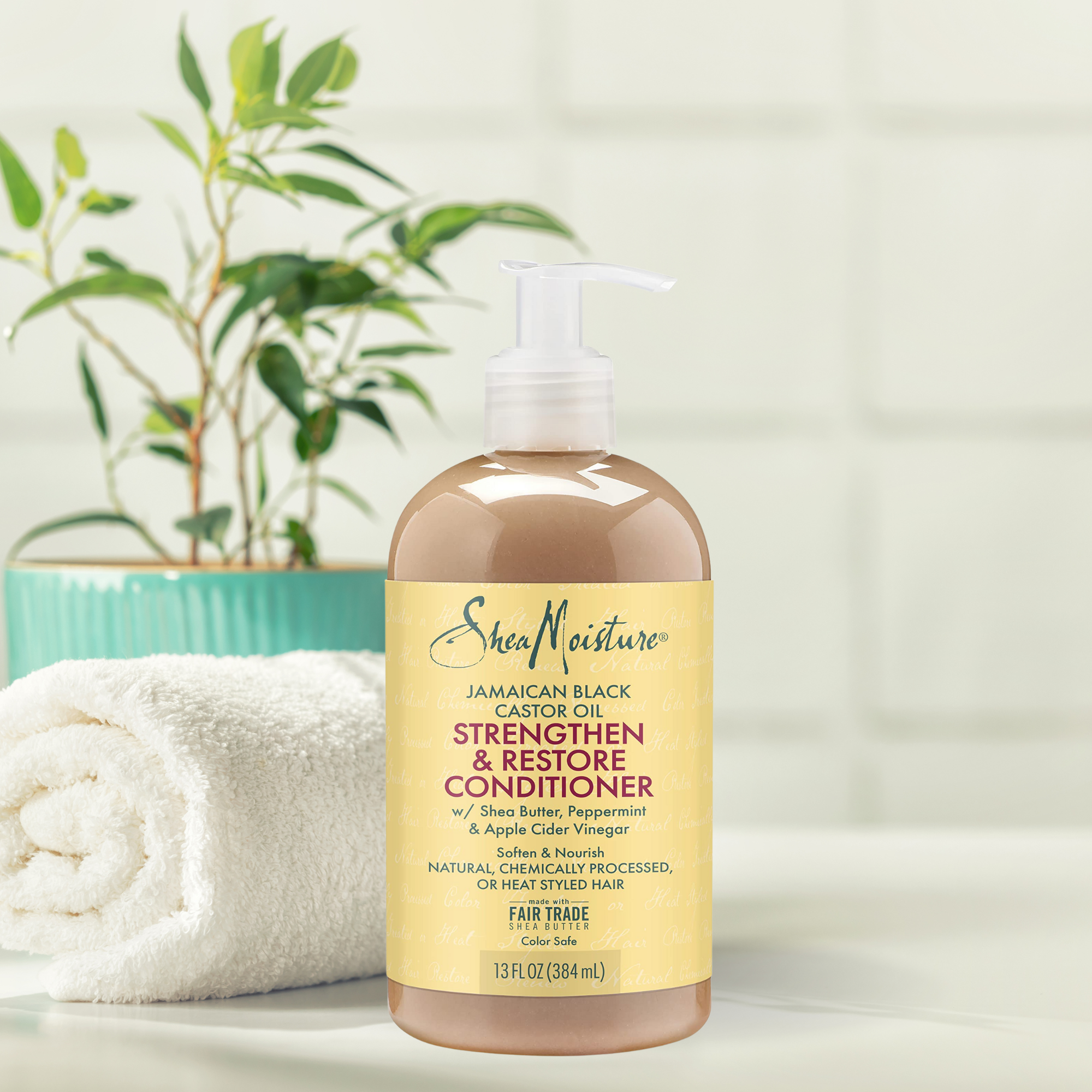
2. Conditioner & Detangling – the most important step
Afro hair tangles easily. Therefore:
- Apply conditioner generously
- Leave on for 5-10 minutes
- Untangle with fingers or a wide comb
- work from bottom to top
A good conditioner protects against hair breakage, smooths the surface and makes styling easier.
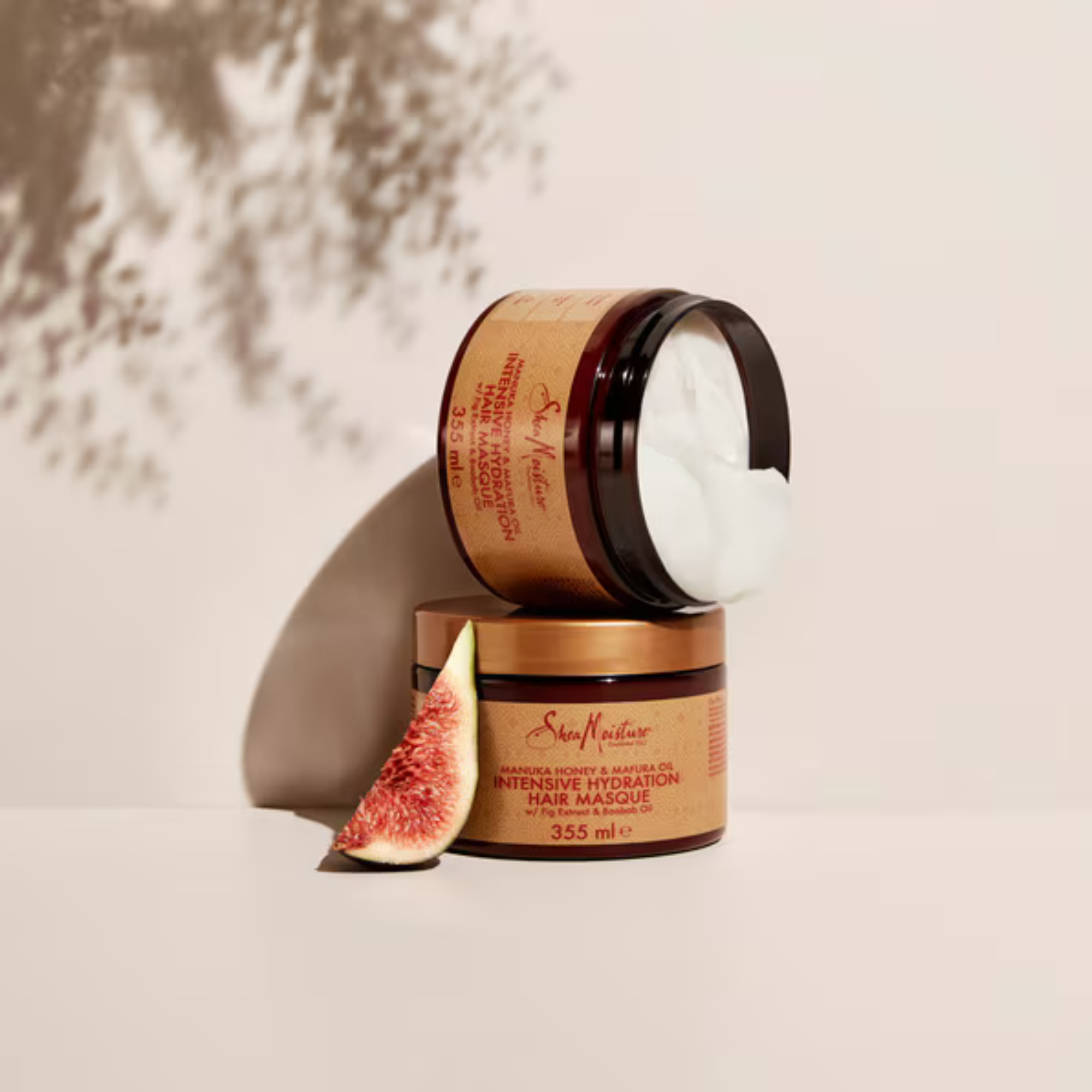
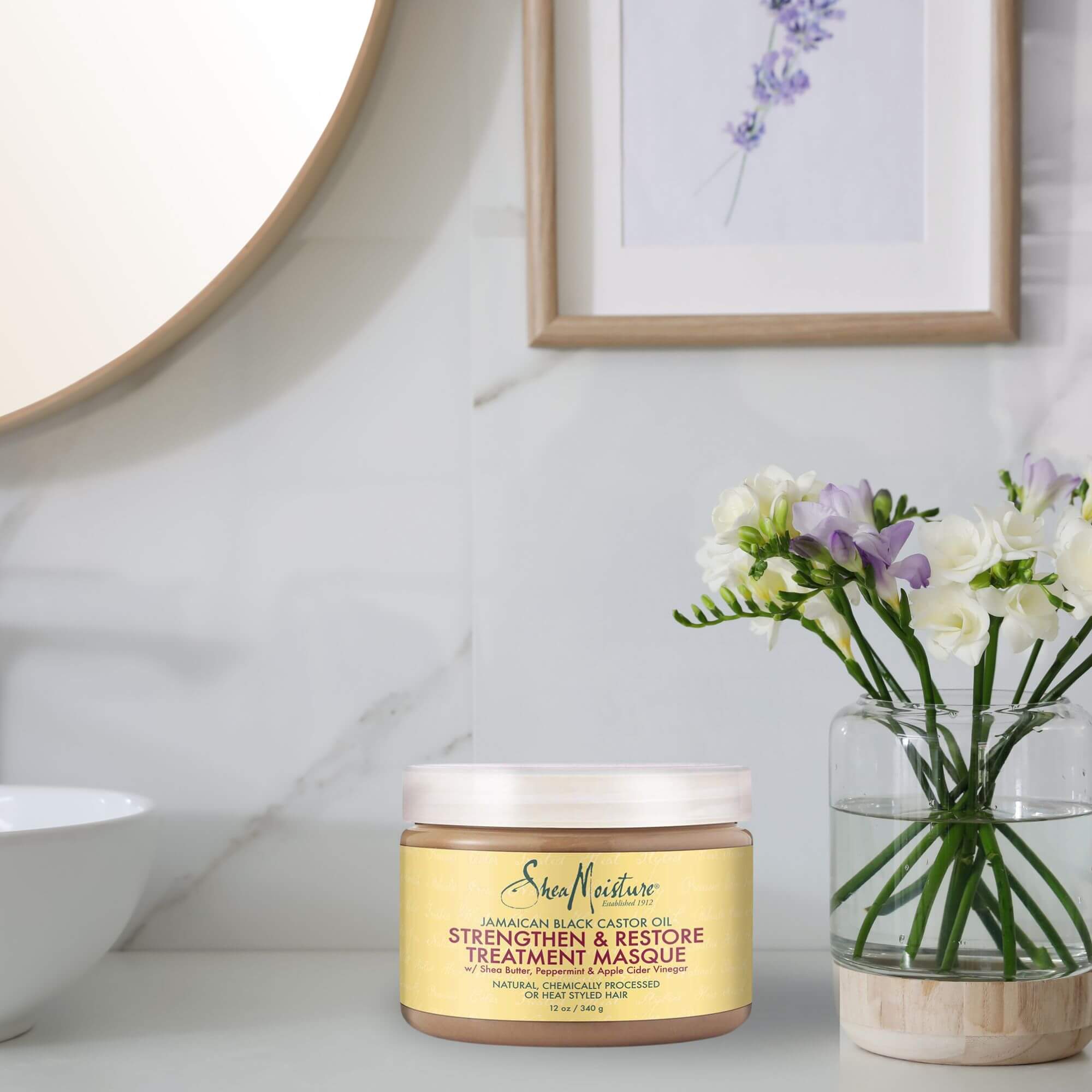
3. Deep conditioning / mask – essential for 4B/4C hair
Apply at least once a week:
- improved elasticity
- repairs brittle fibers
- retains moisture deep inside
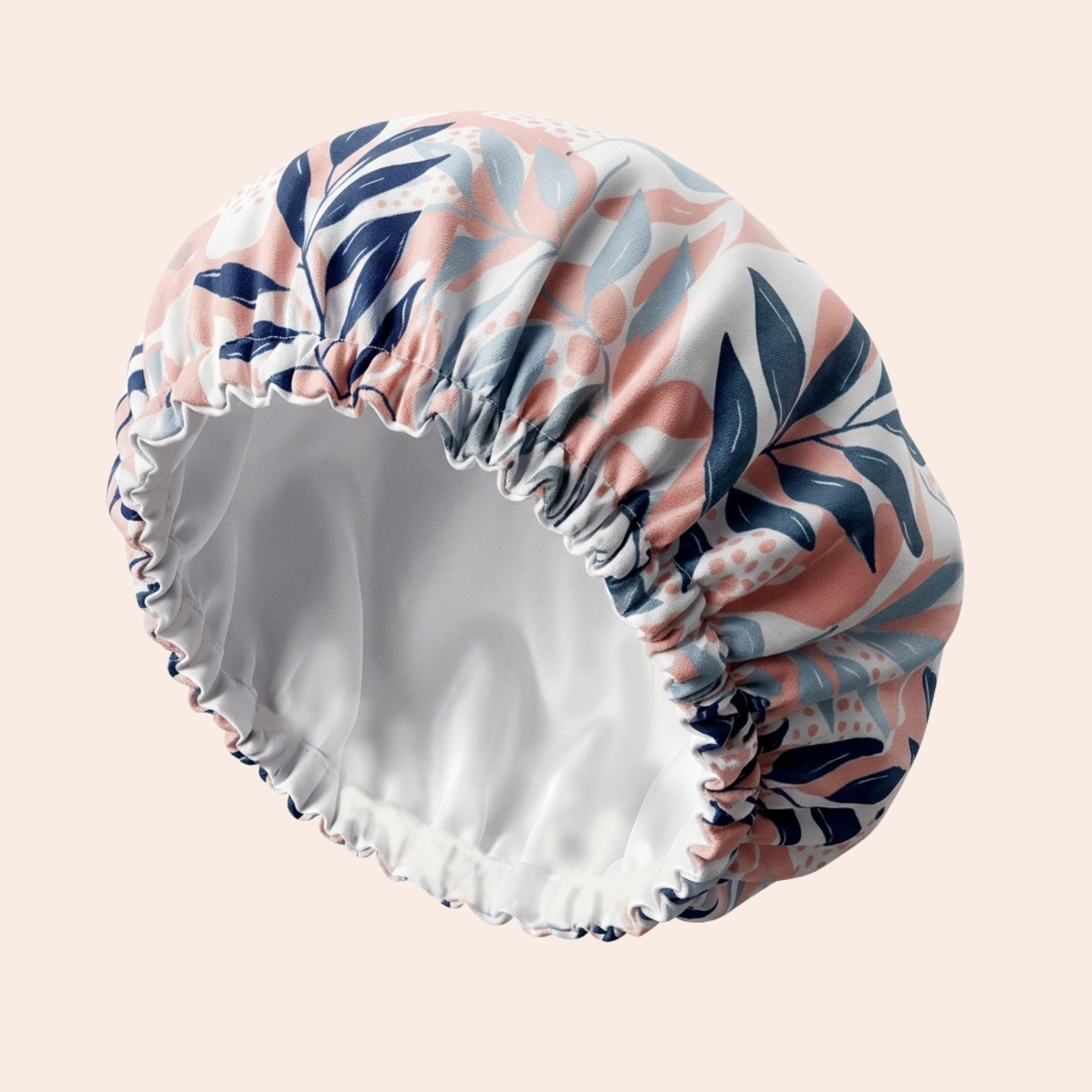
- The treatment is significantly more intensive when using heat ( conditioning cap ) .
For extremely dry hair:
Mask also possible overnight.
Afro / Type 4 hair
The best conditioners for Afro / Type 4 hair

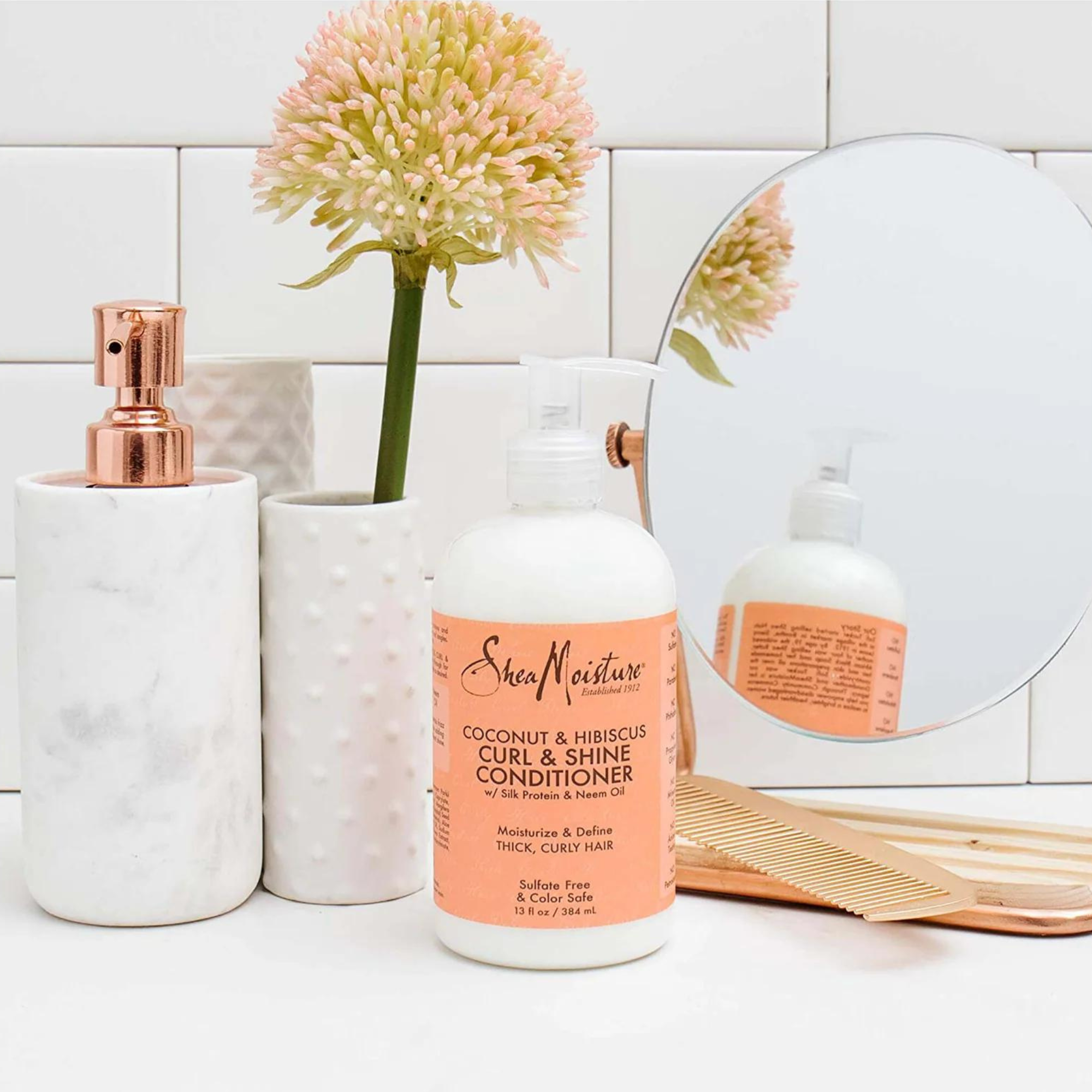








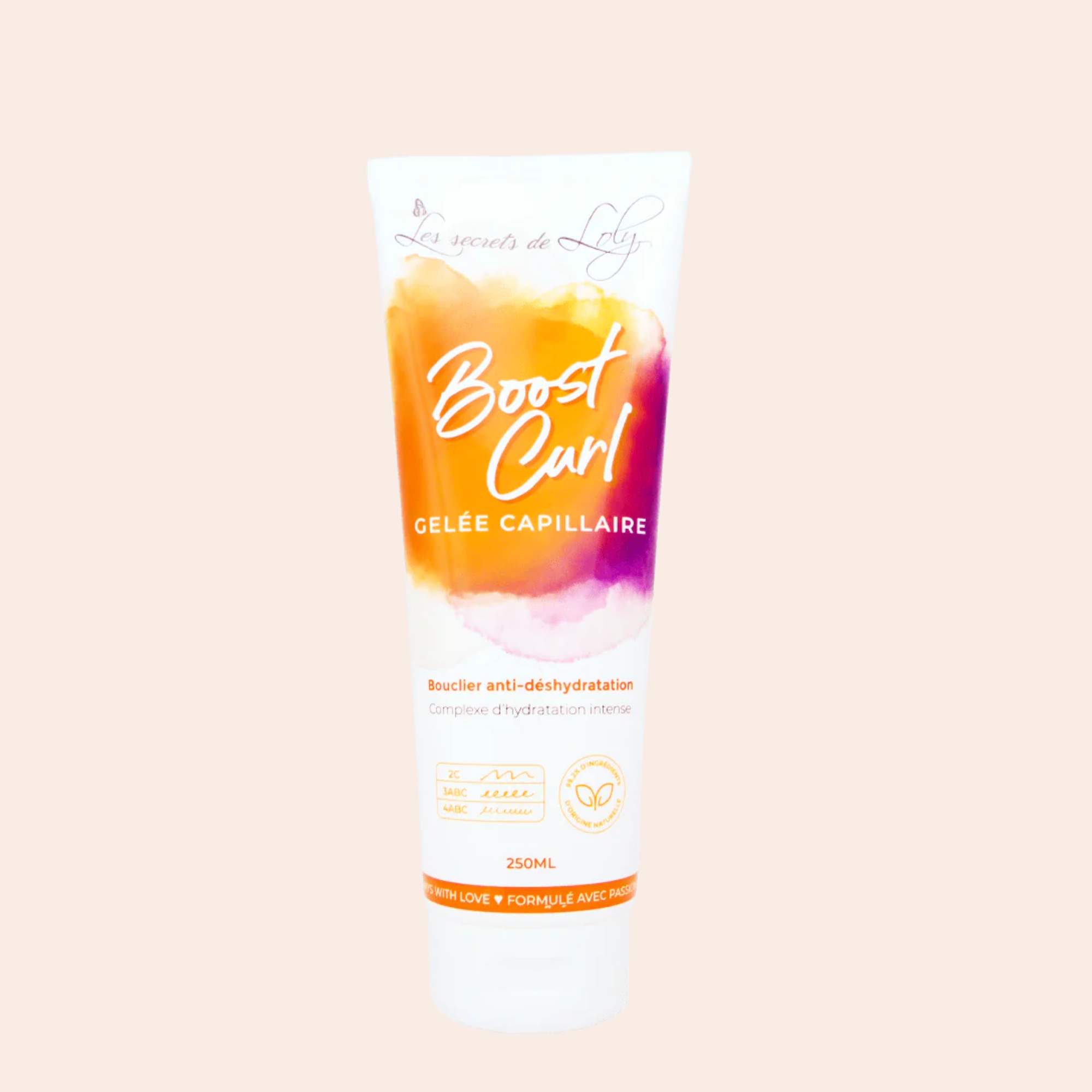
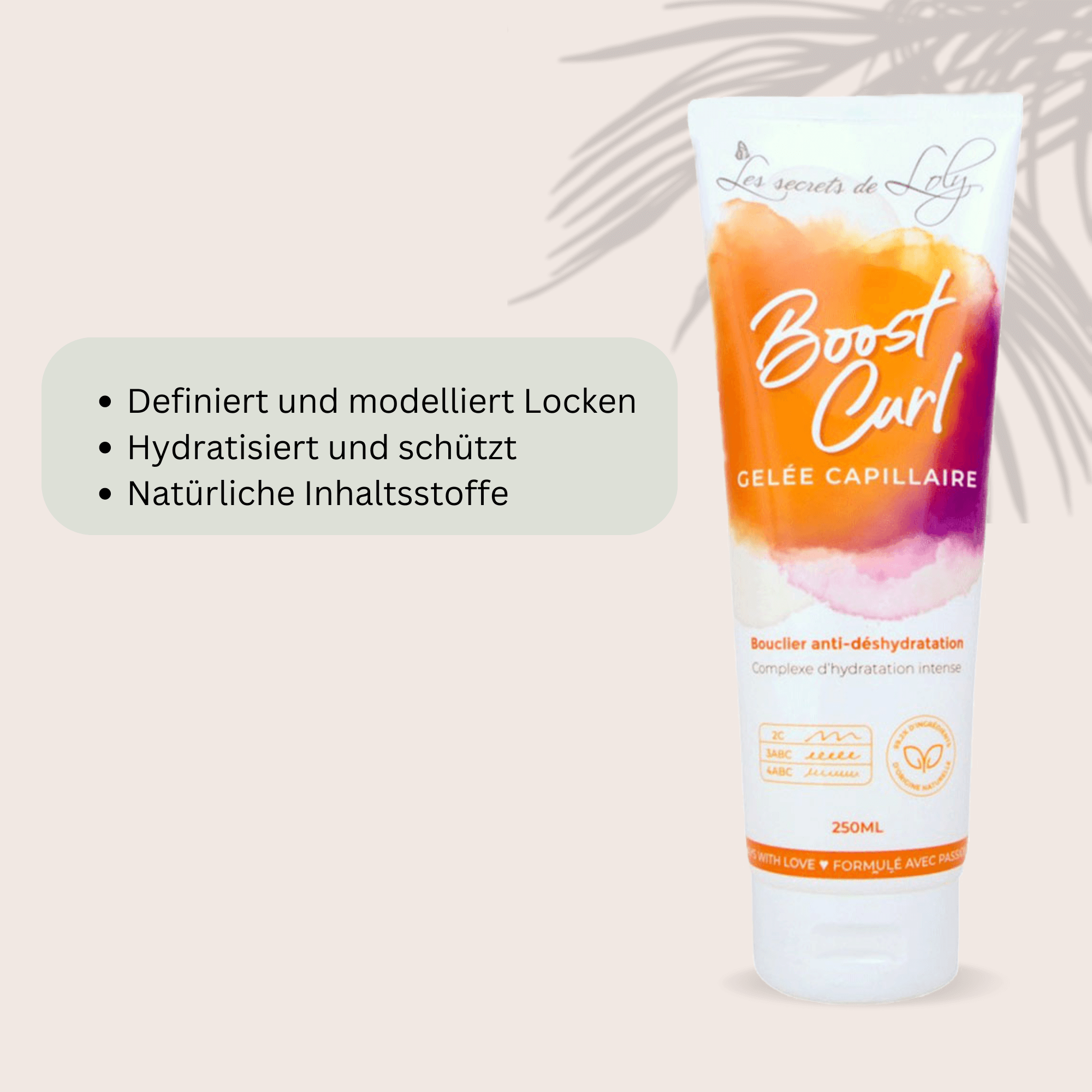
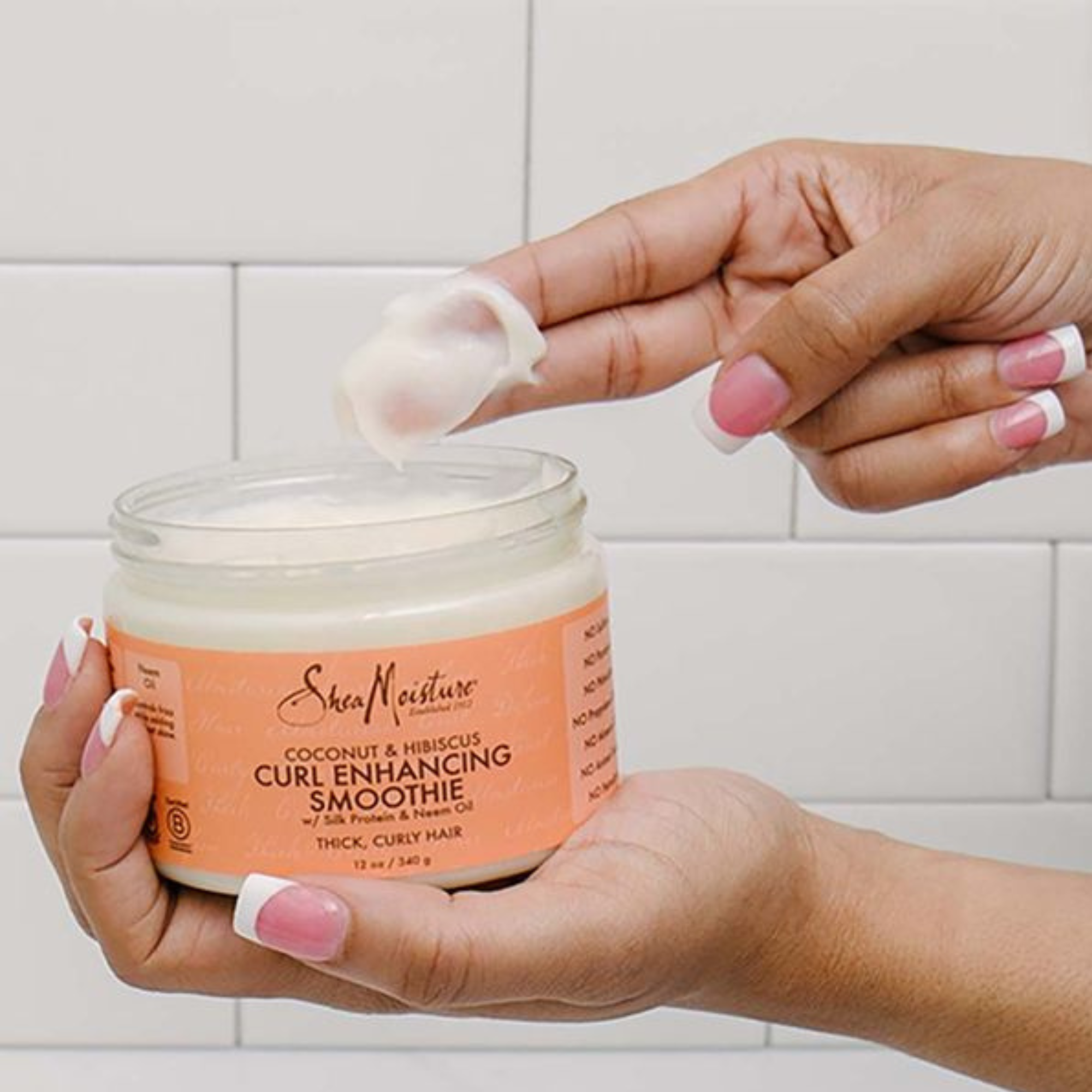
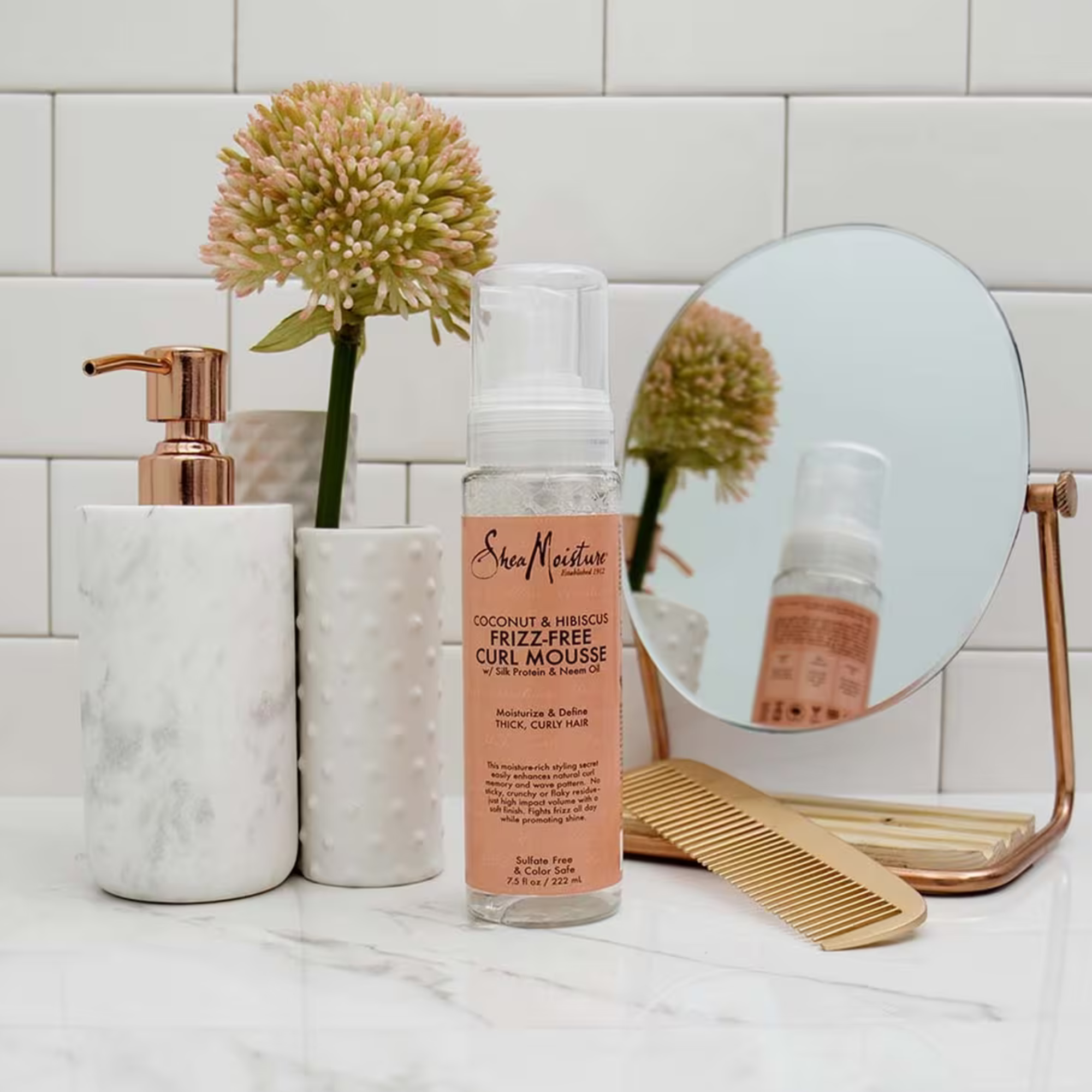
4. Styling for Afro Curls (Definition & Hold)
The moisture should be sealed in after washing.
These work particularly well:
LCO method (Leave-In → Cream → Oil)
Ideal for 4C hair.
LOC method (Leave-In → Oil → Cream)
Good for 4B hair if the hair retains moisture well.
For perfect definition:
- Smoothies
- Curl Creams
- Butters
- Lightweight gels (for hold but without drying)
Techniques such as:
- Finger coils
- Twist Outs
- Braid Outs
- Scrunching
create more definition and volume.
5. Co-wash & Refresh between wash days
Many Afro hair types benefit from: Co-washing (conditioner instead of shampoo) is ideal between regular wash days.
- retains moisture
- prevents drying out
Morning Refresh
- Lightly dampen hair with spray.
- Work some cream or gel into sections.
- Gently scrunch or shape with a microfiber cloth.
6. Protective hairstyles for less hair breakage
Afro hair benefits enormously from:
- Braids
- Twists
- Cornrows
- Flat Twists
- Bantu Knots
These styles:
✔ reduce friction
✔ protect tips
✔ retain moisture
✔ promote growth
Important: Do not braid too tightly – otherwise you risk hair loss at the edges due to tension.
Afro / Type 4 hair
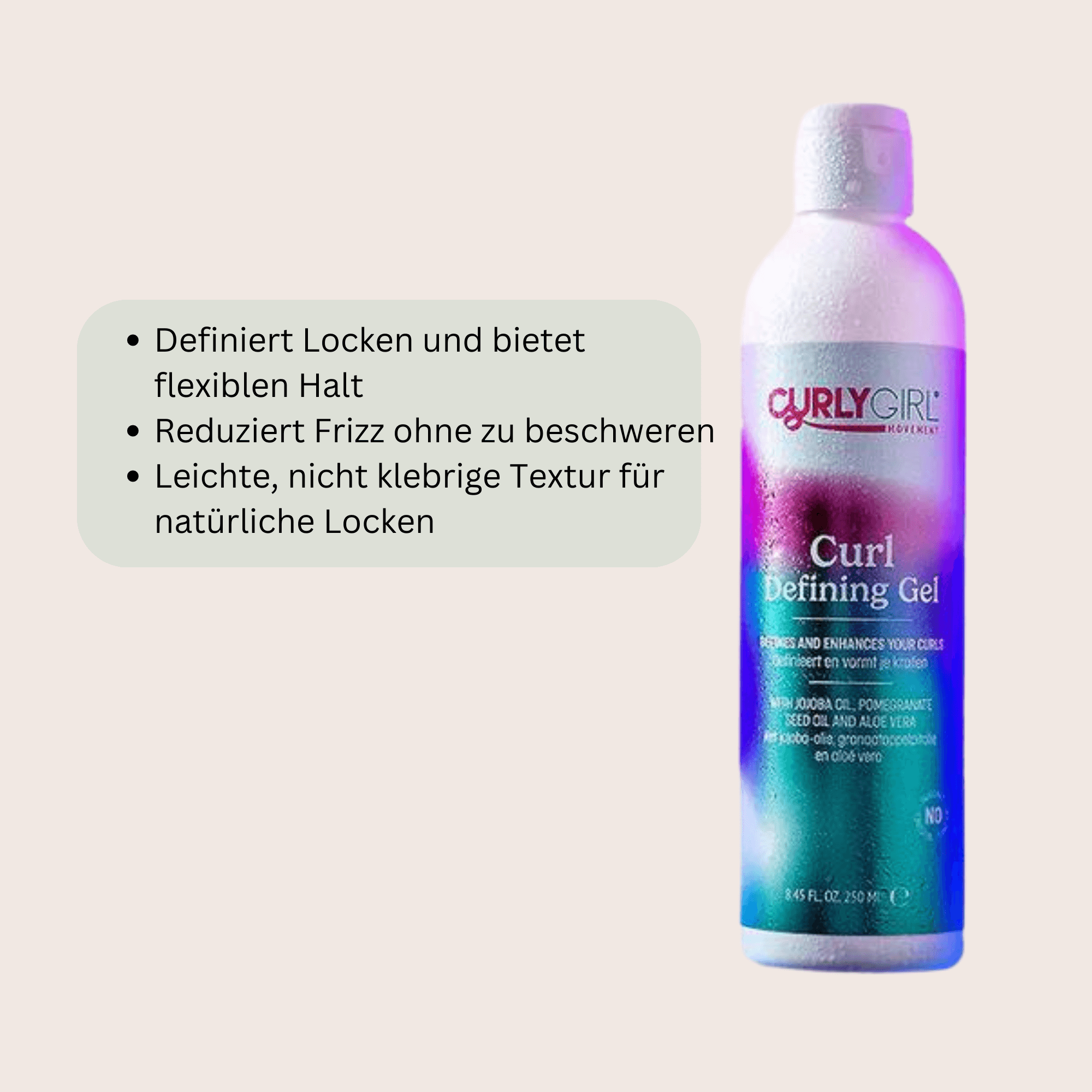
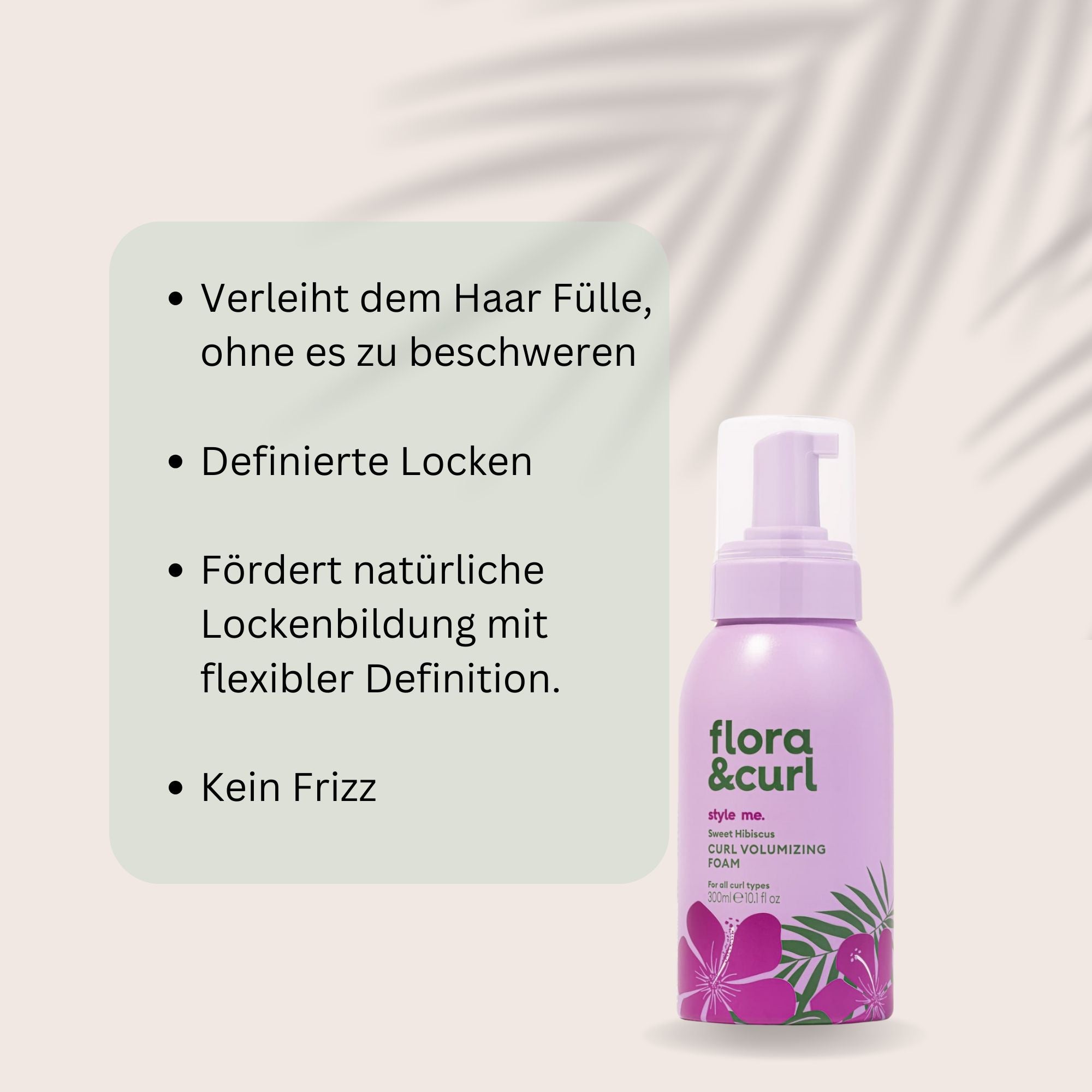
The best styling products for Afro / Type 4 hair






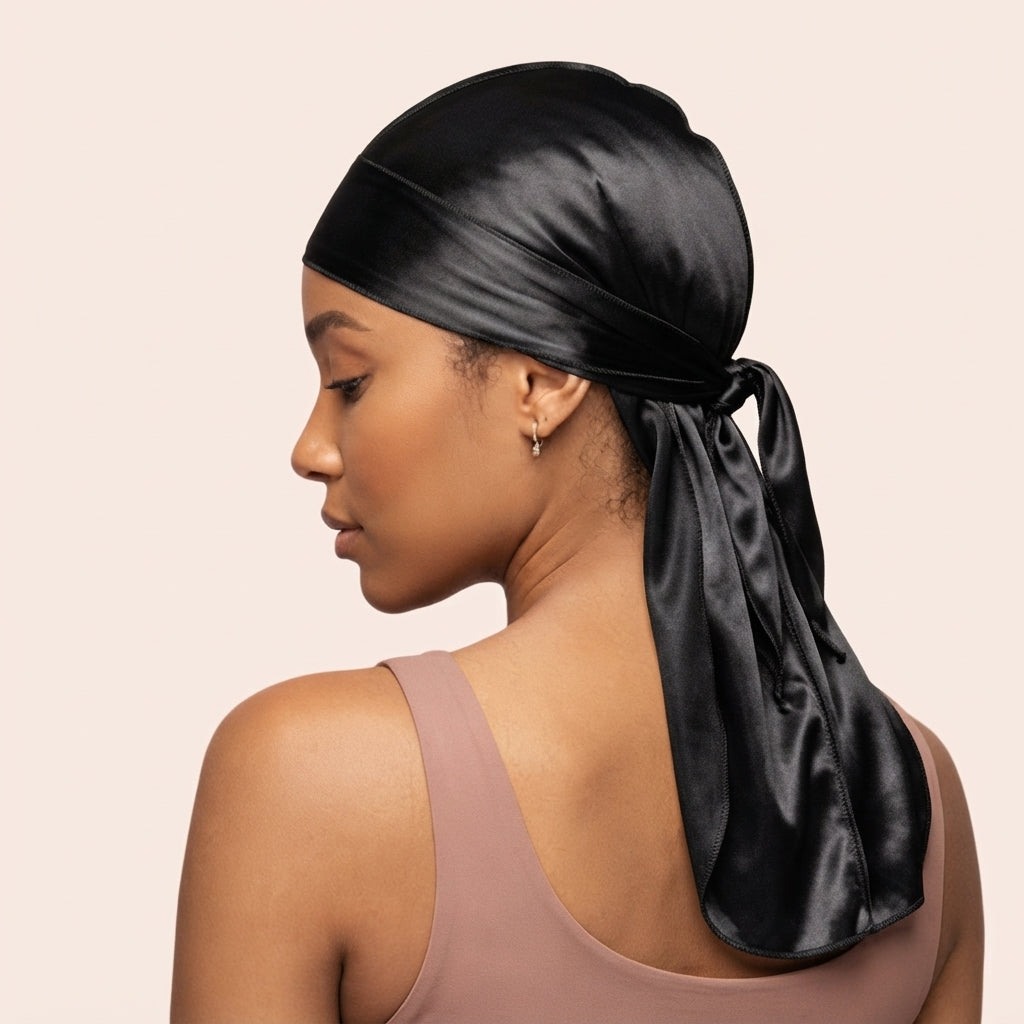
7. Nighttime care: Protection against friction and moisture loss
Essential for Afro hair:
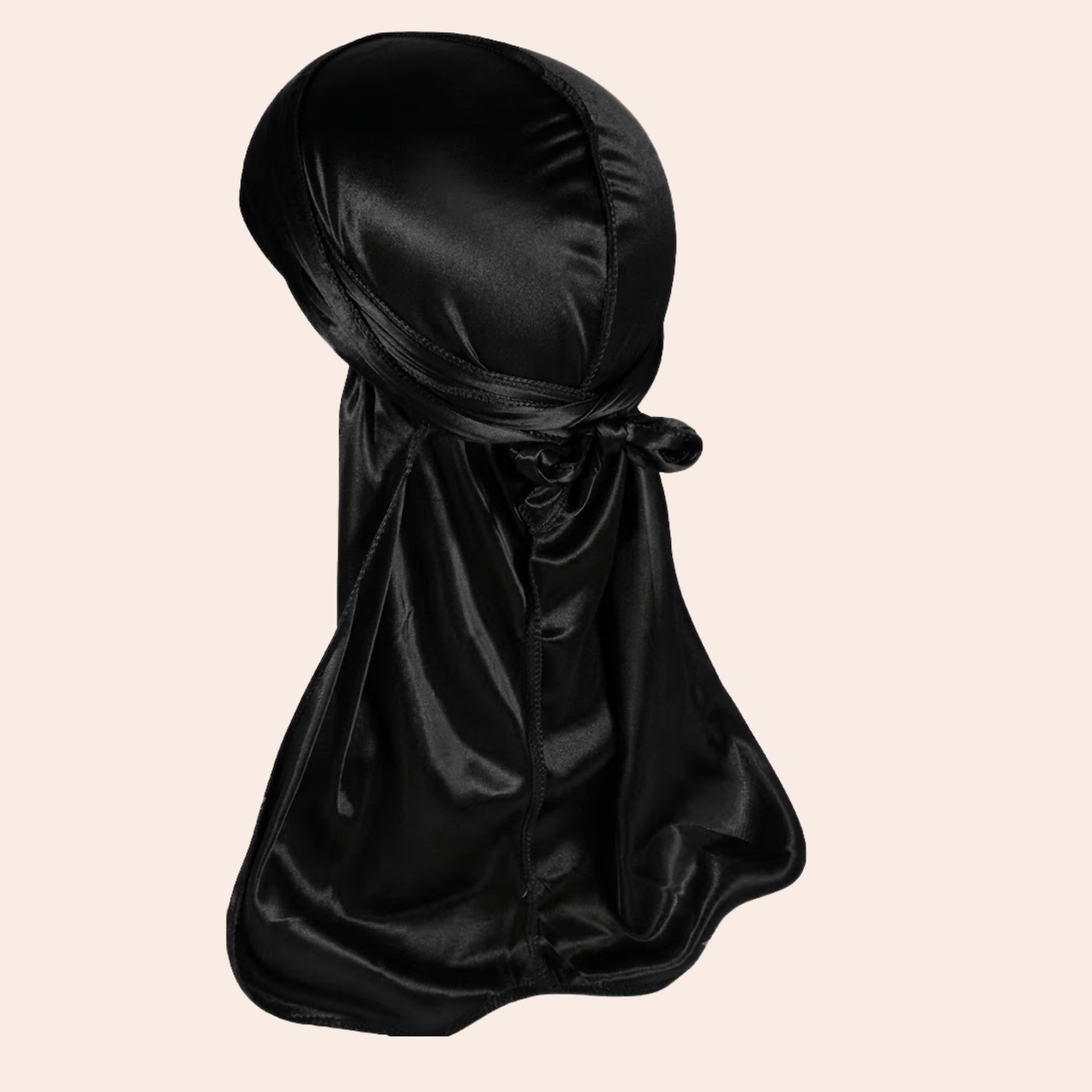
Satin Bonnet
Prevents hair breakage, frizz and moisture loss.
Satin pillowcase
Perfect if you're not wearing a bonnet.
pineapple hairstyle
Tie curls together at the top → protects definition & length.
Afro / Type 4 hair
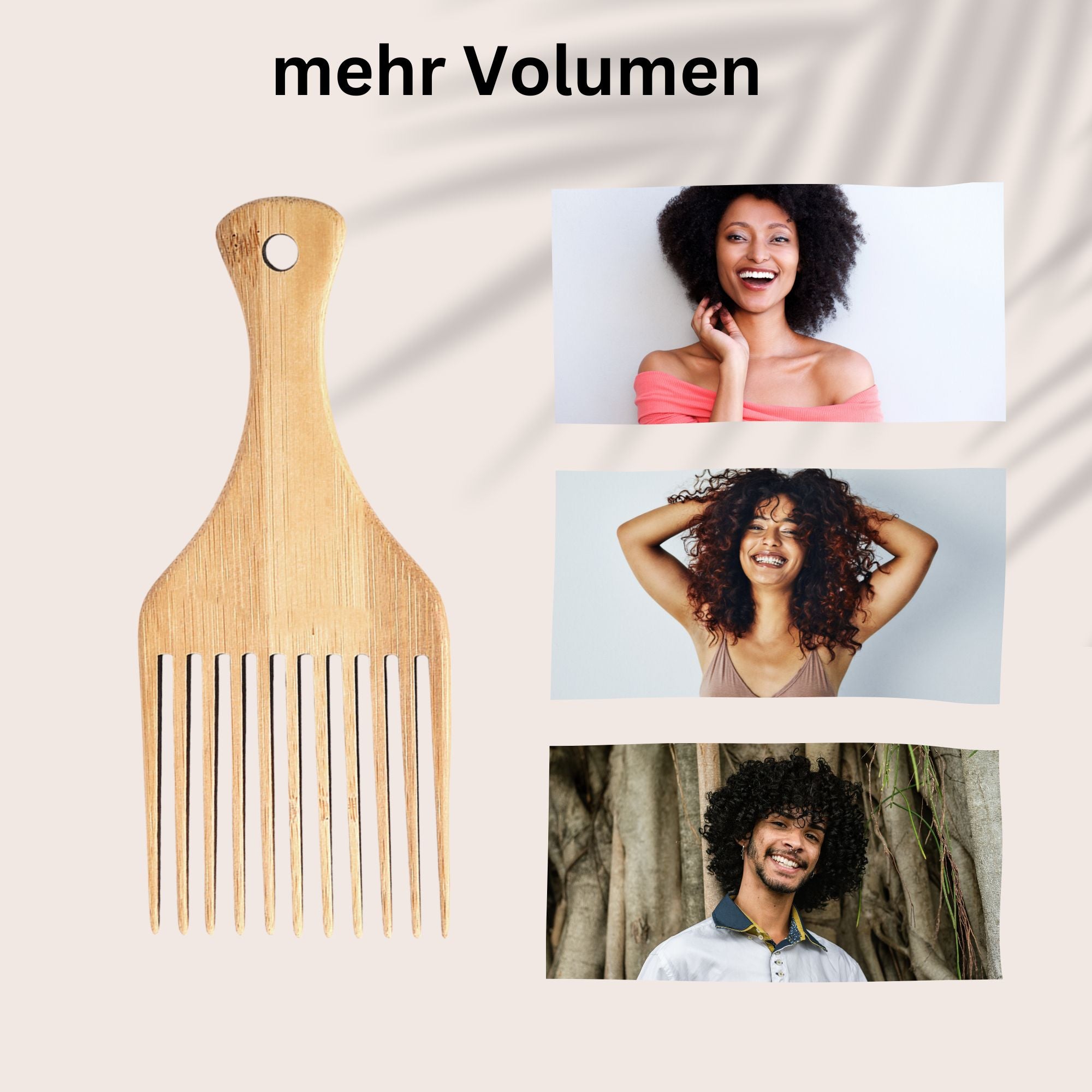
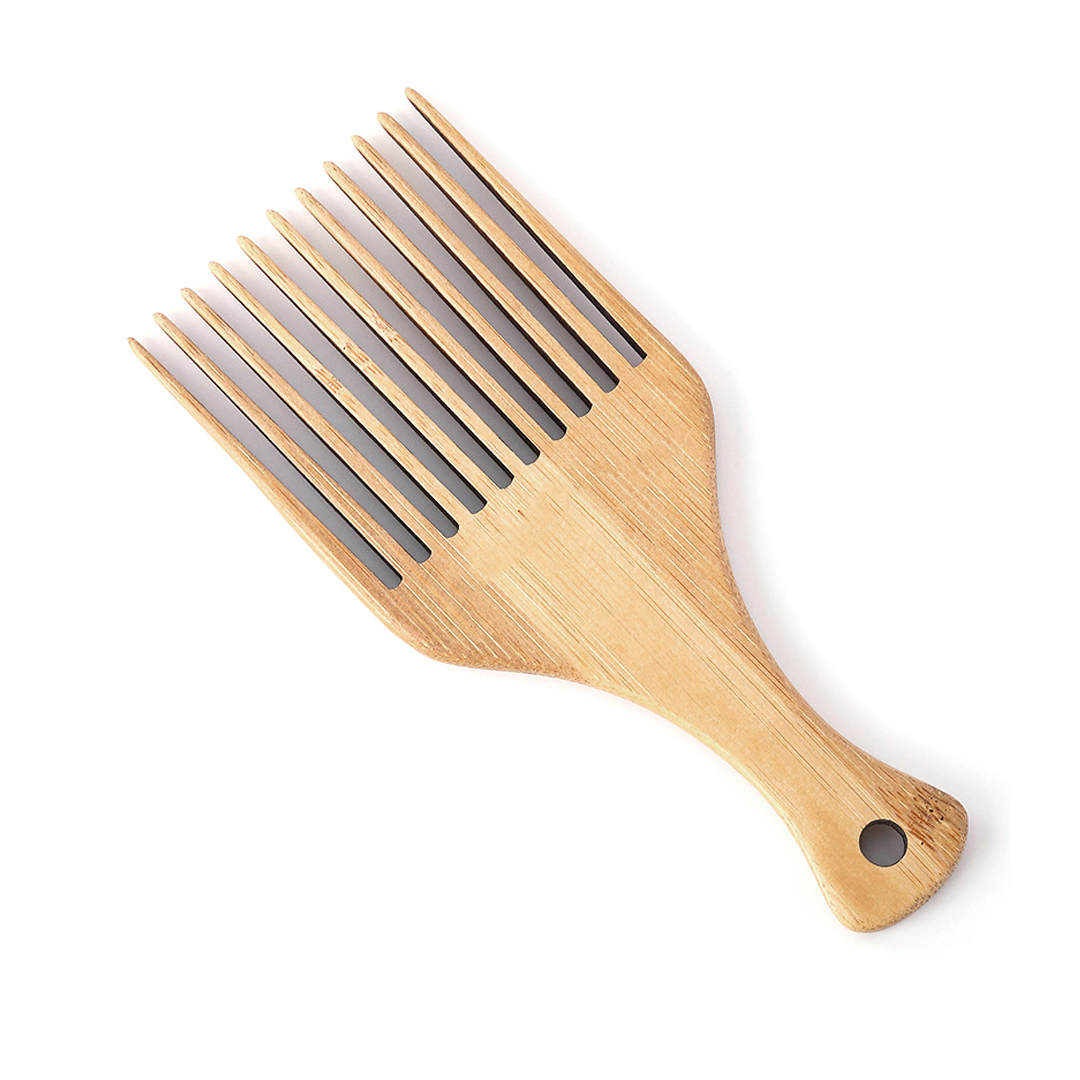
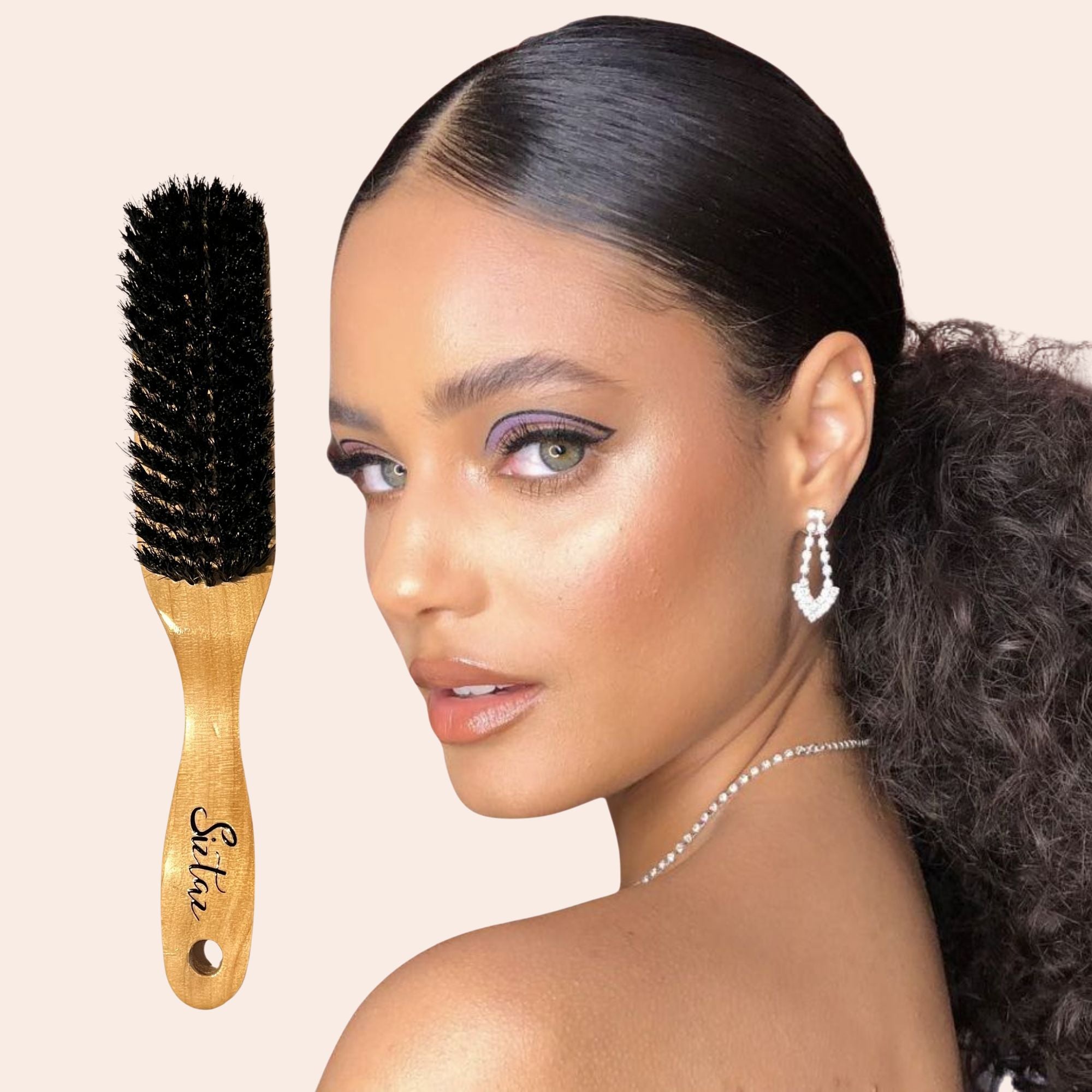
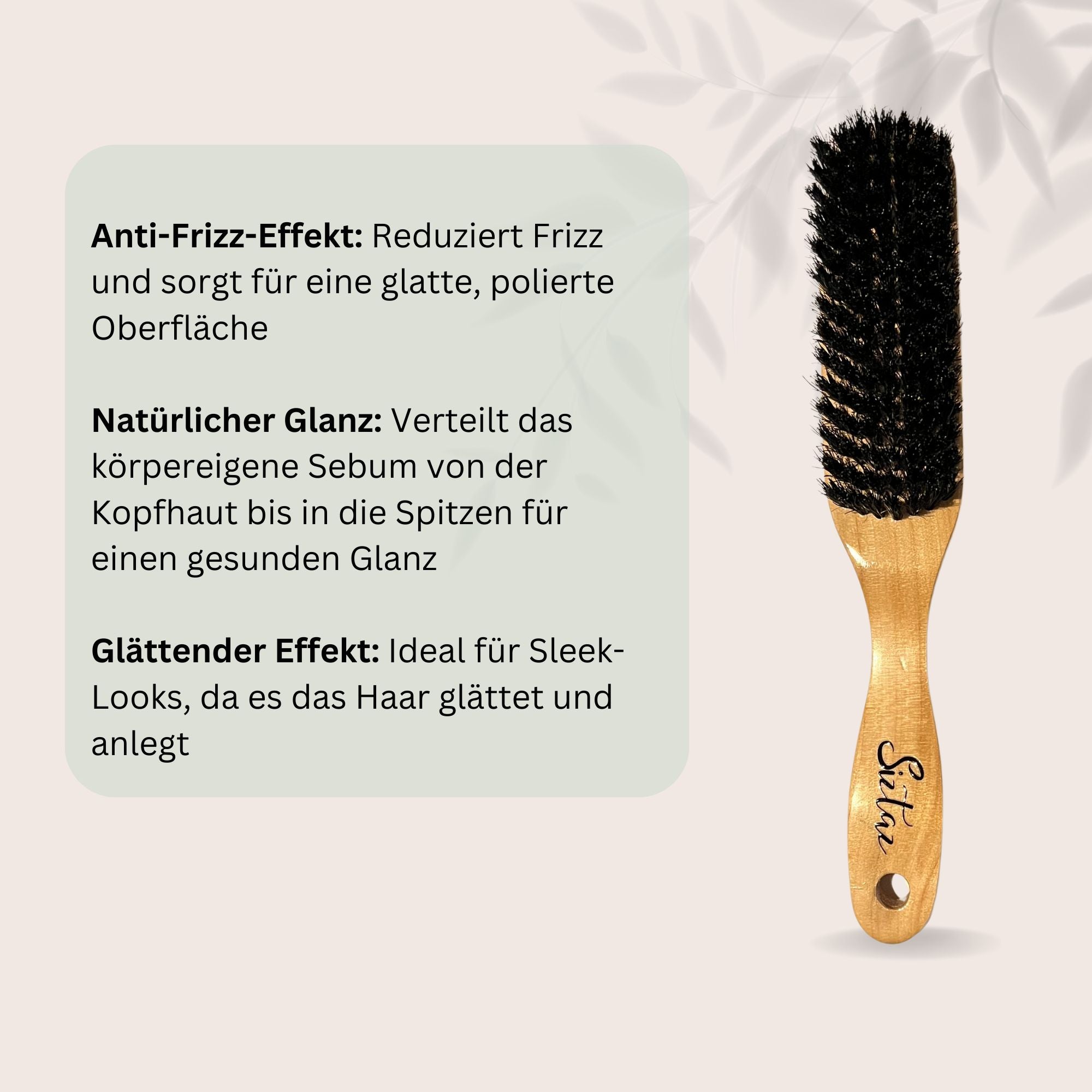
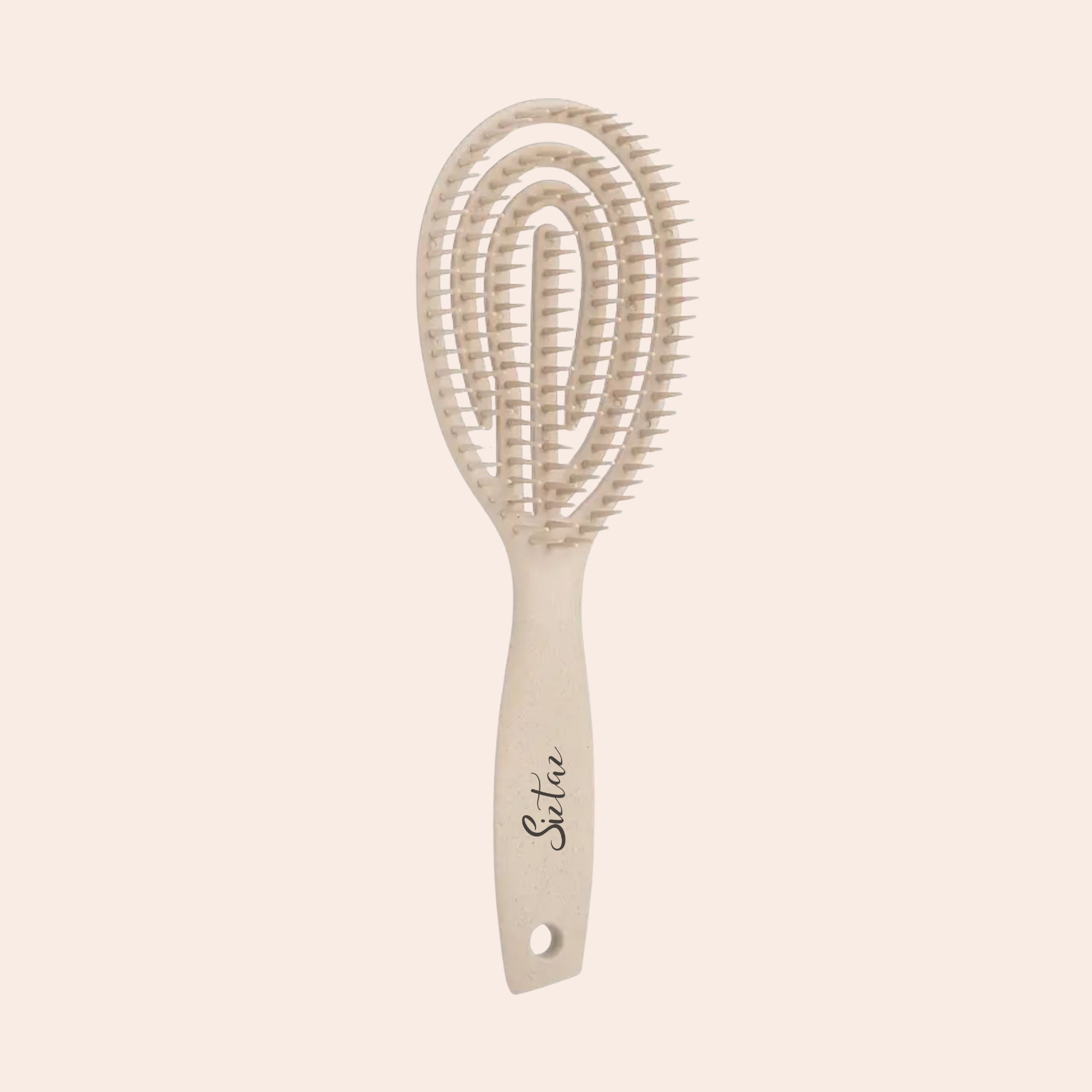
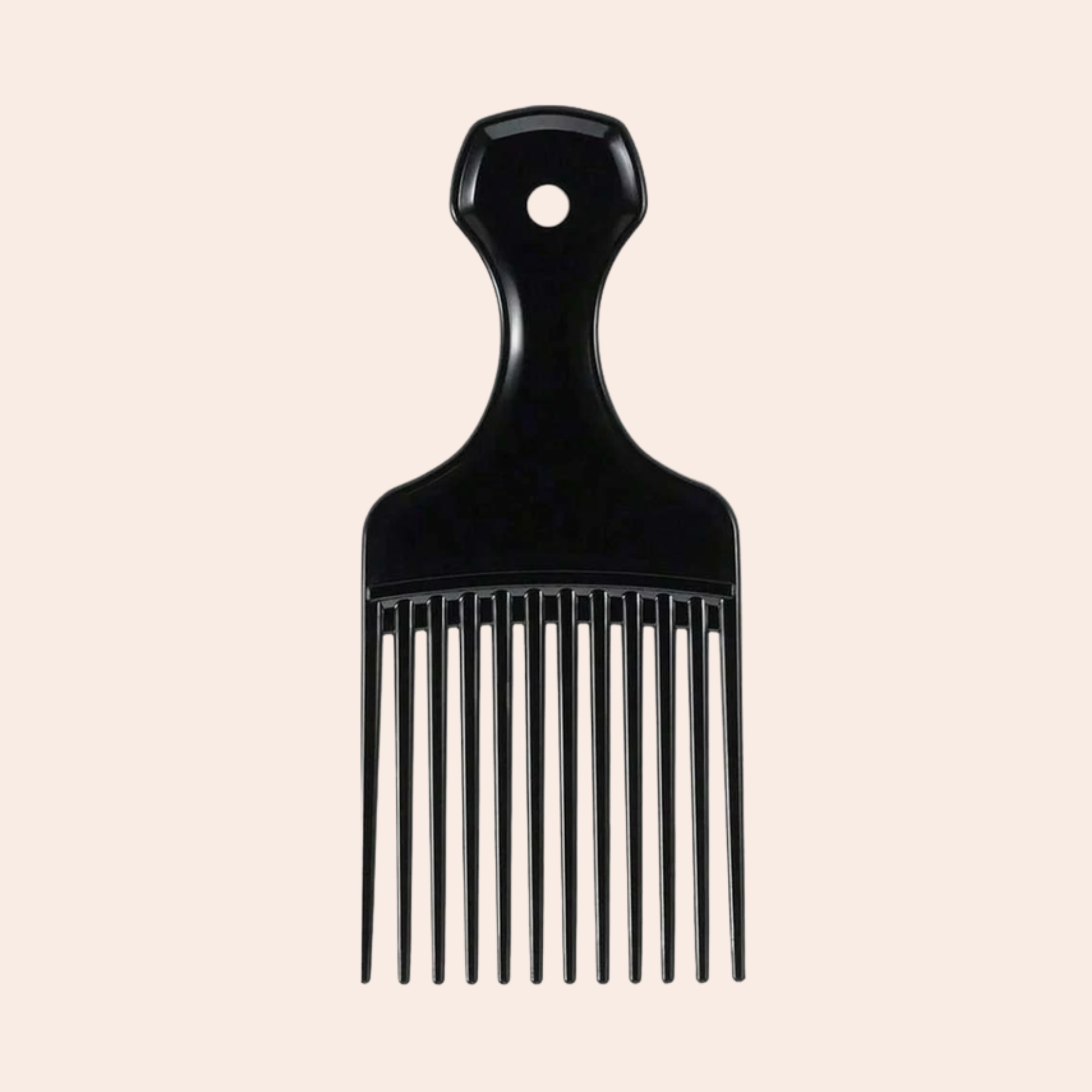
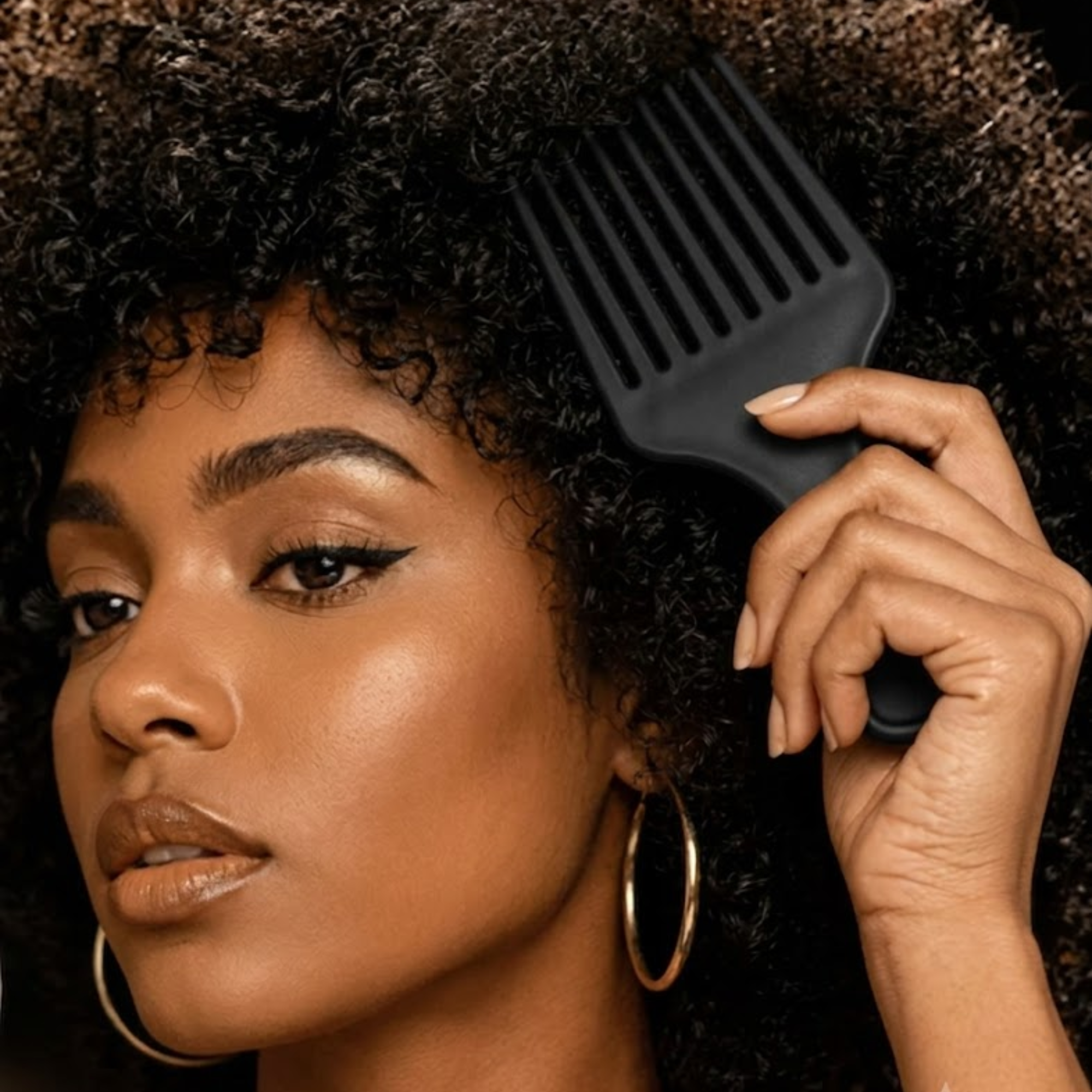
The best styling tools for Afro / Type 4 hair



8. Conclusion: Afro hair needs moisture, protection & patience
With the right routine you can achieve:
✔ less hair breakage
✔ Softer, hydrated fibers
✔ Defined Afro curls
✔ improved hair growth
✔ less shrinkage effect
✔ Healthy, shiny lengths
Afro hair is beautiful and versatile. With consistent care and the right products, your natural hair structure unfolds its full strength and elegance.