
Quick Answer
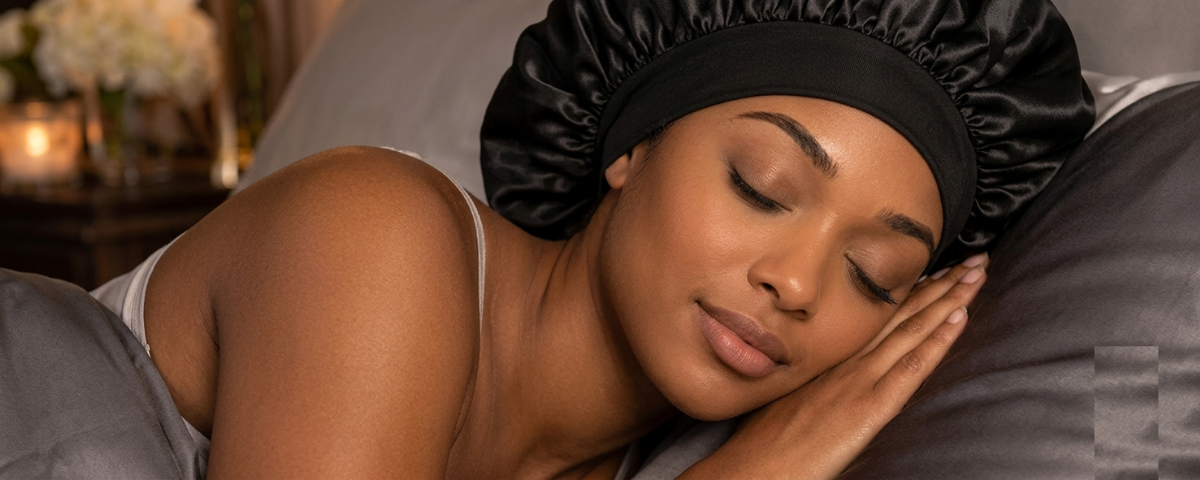
In winter, the combination of dry heater air and icy wind causes extreme moisture loss and static electricity. During this time, switch to richer hair care products, seal in moisture with heavy oils (like shea butter or argan oil), and avoid coarse wool hats that rough up the hair. A silk bonnet or silk pillowcase protects your sensitive hair structure from drying out during long winter nights.
Table of Contents
- 1. The Winter Dilemma: Dry Air and Flyaway Hair
- 2. Richer Styling: The L.O.C. Method in Winter Mode
- 3. The Hat Trap: Minimizing Mechanical Friction in Everyday Life
- 4. Washing Temperature and Drying Rules in Frosty Weather
- Your 3-Step Protection Routine for Frosty Days
- Frequently Asked Questions (FAQ)
1. The Winter Dilemma: Dry Air and Flyaway Hair
Why do curls often feel so straw-like and brittle in winter? This is due to the physics of air. Cold outdoor air can hardly retain any moisture. When this air is heated indoors by the heater, the relative humidity in living spaces drops rapidly. The bone-dry air gets the missing moisture from wherever it can – including from your hair.
Additionally, the lack of moisture causes hair to become electrostatically charged. As soon as you put on a sweater or open your jacket, your hair flies chaotically in all directions. Without a protective barrier, the curl loses its natural definition and tends to extreme frizz.
2. Richer Styling: The L.O.C. Method in Winter Mode
While light textures and strong hold gels are preferred in summer, winter demands richness. Now is the perfect time to incorporate heavier oils and rich leave-in creams into your routine. Floating humectants (moisture attractors) like pure glycerin should be used with caution in icy dryness, as they can draw water directly from inside your hair due to lack of humidity.
Instead, opt for plant-based oils and butters (e.g., avocado oil, argan oil, or shea butter). These ingredients not only nourish the hair but also form a reliable protective film that locks in the moisture present in the hair. Apply your hair care products using the L.O.C. method (Leave-in, Oil, Cream) to guarantee maximum juiciness.

WINTER BEANIE
Siztaz Winter Beanie with Satin Lining
To the Beanie →3. The Hat Trap: Minimizing Mechanical Friction in Everyday Life
Hats, thick scarves, and cozy turtlenecks are indispensable in winter – but for our curls, they are a nightmare of coarse fibers. Wool and synthetic fabrics act like fine sandpaper on the hair's surface. They absorb natural oils directly, roughen the cuticle, and lead to massive tangles and breakage at friction points (usually in the neck).
The professional tip: Wear a smooth silk bonnet under your regular wool hat or sew a piece of silk fabric into your favorite hat yourself. The extremely smooth surface of silk prevents any friction, protects the curl structure from being flattened, and preserves moisture in the hair.
4. Washing Temperature and Drying Rules in Frosty Weather
Even if a hot shower is tempting in freezing temperatures: water that is too hot radically washes away the protective lipids from the scalp and hair. Instead, consistently wash your curls with lukewarm water. A cool final rinse also seals the cuticle.
In winter, there's also an iron rule: Never go outside with wet hair! If residual moisture in the hair freezes at sub-zero temperatures, the water expands and bursts the delicate cuticle from the inside (hair freezing). Use a diffuser on a medium or cool setting to gently and completely dry your curls before leaving the house. For cozy, feel-good moments during styling, a warmly scented soy wax candle creates a pleasant atmosphere in the winter bathroom.
Your 3-Step Protection Routine for Frosty Days
Increase the frequency of your deep conditioning hair masks in winter to at least once a week to keep the moisture reservoir deep in the hair core plump and full.
When styling, after applying moisturizer, use a few drops of rich argan or jojoba oil to physically seal the cuticle against dry indoor air.
Since we spend a lot of time in heated bedrooms in winter, nightly protection with a Silk Bonnet is indispensable to completely prevent friction frizz and drying out overnight.
Frequently Asked Questions about Curl Protection in Winter
Should I wash my hair less often in winter?
Yes, that can be very helpful. Since the scalp often sweats less in winter, washing less often is usually perfectly sufficient. This protects the natural lipid film of your scalp. On non-wash days, simply use the co-wash method (washing only with conditioner) if needed.
Why do my curls get so static in winter?
This is due to the lack of moisture in the air and in the hair. Friction with clothing positively charges the hair. Since like charges repel each other, the individual hairs fly apart. A moisturizing leave-in or a touch of hair oil immediately rebalances the charge.
Are satin and silk bonnets cold for sleeping in winter?
No, real silk has excellent thermoregulating properties. It warms in the cold and cools in the heat. A silk bonnet feels pleasantly temperature-balancing in winter and also protects against drafts in the bedroom.
Conclusion
With the right strategy, winter loses its terror for your curly mane. By switching your routine to rich care, cleverly sealing in moisture, and protecting your hair from harsh friction with smooth materials like silk, your curls will remain soft, shiny, and perfectly defined all winter long despite frost and heater air.