
Summer, sun, beach, and pool – the most wonderful time of the year can quickly turn into a nightmare for your curls. UV rays, chlorine, and saltwater strip hair of extreme moisture, leaving it dry. With the right summer strategy, your curls will remain perfectly defined and healthy, despite the heat and swimming fun.
Short Answer
In summer, the best way to protect your curls is to saturate them with tap water before swimming and apply a layer of leave-in conditioner as a barrier. After the pool or ocean, a mild shampoo helps to rinse out chlorine and salt residue immediately. For transporting your wet items at the beach, a waterproof wet bag is the ideal companion.
Table of Contents
1. Sun and UV Rays: Invisible Danger to Hair Structure
Just like our skin, our hair also needs sun protection. Intense UV radiation breaks down the protein chains inside the hair and destroys the outer lipid layer that traps moisture. Since curls are naturally more porous and drier than straight hair, they are particularly sensitive to the sun.
The result: Curls lose their bounce, fade in color, feel straw-like, and break much more easily. A sun hat or a chic silk scarf is the simplest physical protection for long beach days.
2. The Pool Effect: Why Chlorine Dries Curls So Much
Chlorine is essential in pool water to kill bacteria. However, for your hair, it is an aggressive bleaching agent. Chlorine builds up on the cuticle layer and completely strips the hair of its natural, protective oils (sebum). This effectively degreases the curl.
Saltwater in the ocean has a similar effect: it dries the hair from the inside out due to osmosis. If salt and chlorine then dry on the hair in the blazing sun, they crystallize and act like small magnifying glasses, damaging the structure even deeper.
3. The Best Protection Tricks Before Jumping into the Water
You don't have to forgo swimming! You can effectively protect your curls with simple steps:
The Sponge Tactic: Your hair can only absorb a limited amount of moisture. If you thoroughly soak your curls with regular tap water under the pool shower before swimming, your hair will be like a saturated sponge. It will hardly be able to absorb any chemical chlorine or saltwater.
The Leave-In Barrier: After wetting your hair, apply a generous amount of leave-in conditioner or a few drops of hair oil to the lengths. This creates a protective film over the cuticle and blocks the penetration of harmful substances.
4. Practical for Summer: Wet Bags for Wet Accessories
After a refreshing swim, the question often arises: what to do with wet hair ties, wet microfiber towels, or wet swimming caps? If you simply toss them loosely into your beach bag, you risk getting the rest of your bag's contents damp and causing unpleasant odors.
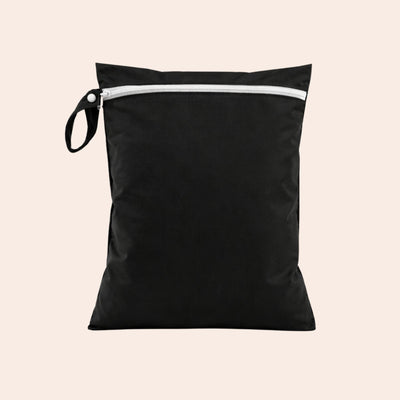
A waterproof wet bag is the perfect summer savior here. Thanks to its water-repellent coating, it safely keeps moisture inside. You can neatly separate your damp curl accessories after a day at the beach or pool and transport them home securely.
Perfect for your beach bag
Siztaz Waterproof Wet Bag for Wet Accessories
Discover now →Your After-Sun Curl Routine
Rinse your hair thoroughly with clear fresh water immediately after leaving the water so that salt and chlorine cannot dry on it.
Wash your curls in the evening with a mild, sulfate-free shampoo. Afterwards, be sure to use a rich moisturizing mask to quench your hair's thirst.
Gently squeeze out excess water with a smooth microfiber towel. As often as possible in summer, avoid hot blow-dryer air and let your curls air dry in the shade instead.
Frequently Asked Questions about Summer Curl Care
Can I use regular sun oil for my curls?
Classic sun oils for the skin are often too heavy for hair and are difficult to wash out. Instead, use special hair sprays with UV protection or opt for natural oils like jojoba or avocado oil. These contain a light natural SPF and nourish the hair without making it sticky.
How often should I use a hair mask in summer?
If you regularly swim in the pool or ocean or spend a lot of time in the sun, a weekly intensive treatment will do your curls a lot of good. It's best to use a pure moisturizing mask to restore elasticity.
Does it make sense to braid hair in summer?
Absolutely. Braided hairstyles or a loose bun (pinned up with a material-friendly satin scrunchie) minimize the exposed surface area for sun and wind. In addition, the curls tangle less in the water, which makes detangling afterwards extremely easy.
Conclusion
With the right preparation, summer loses its terror for your curls. By saturating your hair with fresh water and leave-in conditioner before swimming, you prevent chlorine and salt from damaging its structure. If you pack your wet items in a practical wet bag after a day at the beach, your beach bag will also stay clean and dry. This way, your curls will remain healthy and radiant throughout the hot season!