
Short Answer
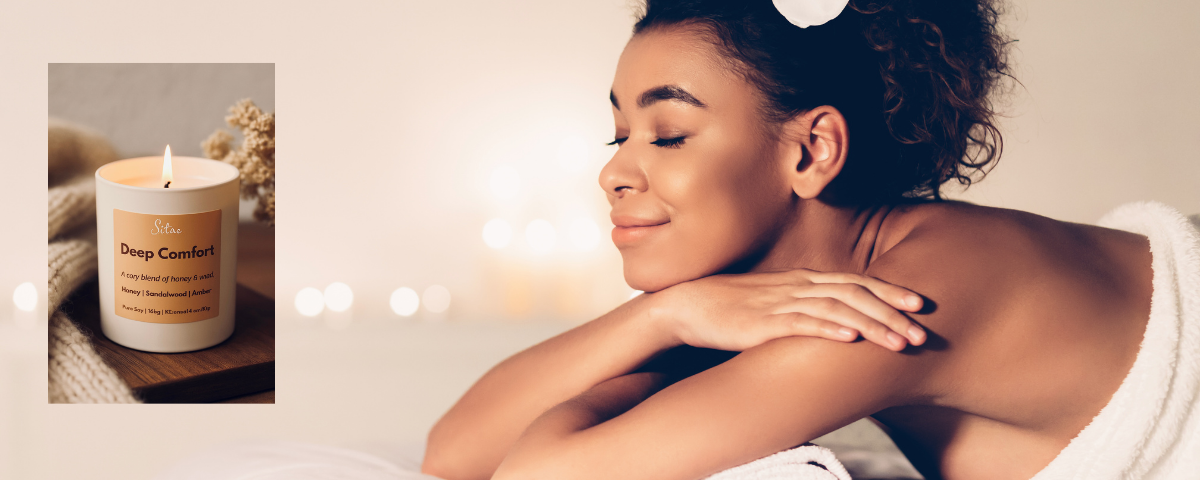
A scent anchor utilizes the direct connection between our sense of smell and the emotional center of the brain (limbic system). If you always light the same high-quality scented candle when relaxing, you condition your nervous system. After a short time, your body will immediately switch into relaxation mode just by perceiving the scent.
Table of Contents
1. What is a scent anchor and how does it work?
In psychology, an anchor is a stimulus that is firmly linked to a specific emotional state. You probably know this: an old song plays on the radio and suddenly you feel exactly like you did on that summer vacation years ago. A scent anchor works in the same way, but here we specifically use the strongest human sense perception to reduce stress and create deep serenity.
2. The Biology of Smell: Why Scents Are So Powerful
Unlike visual or auditory stimuli, odors are not first filtered in our cerebrum. They travel directly to the limbic system. This is the oldest part of our brain, evolutionarily responsible for emotions, drives, and the release of stress hormones. That's why scents work unconsciously and in fractions of a second.
When you come home stressed from the office or shopping, it often does little good to rationally tell yourself, "I need to relax now." Your cortisol level is still too high. A familiar, warm room scent bypasses this block and immediately sends calming signals to your nervous system.

Your Scent Anchor
Siztaz Premium Relax Scented Candles
Light now →3. Program Your Brain for Relaxation in 3 Steps
Building such a mental switch requires some consistency but is incredibly simple. It's important that you initially use the chosen scent exclusively in moments of genuine relaxation. If you use it while answering stressful emails, your brain will associate the aroma with work.
Choose a moment when you are completely with yourself. This could be your weekly pampering time in the bathroom, where you exfoliate your skin with the traditional African Net Sponge, or your daily fifteen minutes of journaling on the sofa. Light the candle, consciously perceive the scent, and enjoy the moment.
4. The Right Choice: Natural Essences Instead of Synthetic Stimuli
For aromatherapy to work, the quality of the ingredients must be right. Synthetic, cheap perfume oils overstimulate the mucous membranes and can, in the worst case, lead to discomfort or migraines. Make sure you use pure essential oils or high-quality fragrance compositions embedded in clean plant wax. This way, your indoor air remains pure.
Your Daily Evening Routine to Unwind
Turn off bright room lights and consciously put your smartphone aside. Instead, create a soft, calming light source.
Inhale the fragrance notes deeply through your nose for a few minutes and exhale through your mouth. Enjoy how the tension gradually falls away from you.
Frequently Asked Questions about Aromatherapy
How long does it take for a scent anchor to work reliably?
This varies from person to person, but on average, the brain needs about 14 to 21 days of regular repetition to establish a firm neural connection between the scent and physical relaxation.
Which scents are best for stress reduction?
Classic relaxing notes include lavender, soft vanilla, amber, and warm precious woods like sandalwood or cedarwood. They have a proven calming effect on heart rate and help the mind release circular thoughts.
Can I use the same scent for work during the day?
If you have defined the scent as a relaxation anchor, you should rather avoid it during concentrated work phases, as it could make you tired. For focus, it's better to use fresh, activating scents like citrus fruits or eucalyptus.
Conclusion
True self-care utilizes our body's biology. A scent anchor is a gentle but incredibly effective tool to leave everyday stress behind. Find the scent that touches your soul, create your little ritual, and easily program your home for pure well-being.