
Short Answer
Beautiful curls start at the root. Product buildup, sebum, and dead skin cells can block hair follicles, leading to dandruff, itching, and slowed hair growth. A healthy scalp routine includes gentle, sulfate-free cleansing, regular gentle massages to promote blood circulation, and an occasional exfoliation to free follicles and maximize hair volume at the roots.
Table of Contents
1. Focusing on the Hair Root: Why Curls Need Healthy Skin
The analogy is simple but apt: A beautiful garden only blooms in nutrient-rich, healthy soil. Our scalp functions in exactly the same way. The visible hair consists of dead keratin – the only living cell is in the hair root, deep in the follicle beneath the skin's surface. This is where it's decided how thick, strong, and elastic your hair will be.
Curly hair, in particular, tends to prevent the scalp's sebum from reaching the ends due to its curved shape. As a result, the scalp often remains dry and prone to irritation, while the hair lengths crave moisture. If the sensitive skin barrier becomes unbalanced, it reacts with itching, inflammation, or dandruff.
2. The Buildup Problem: When Styling Products Clog Pores
Since curl care is often very product-intensive (leave-ins, oils, gels, mousses), residues inevitably accumulate on the skin over time. This is referred to as "buildup." If you then use products with heavy, non-water-soluble silicones or mineral oils, an airtight layer forms on the scalp.
This layer clogs the hair follicles. The consequence: new hair grows thinner, loses elasticity, and the hairline appears flat and voluminous. In the worst case, persistent buildup can lead to micro-inflammatory processes that drastically slow down hair growth.

Protection for the Roots
Siztaz Scalp Brush
Scalp Brush →3. Scalp Massages: The Natural Growth Booster
One of the simplest and most effective methods to revitalize your scalp is regular massage. Gentle, circular movements with your fingertips (or a special silicone scalp massage brush) significantly stimulate blood circulation. More blood flow means better supply of oxygen and essential nutrients to the hair roots.
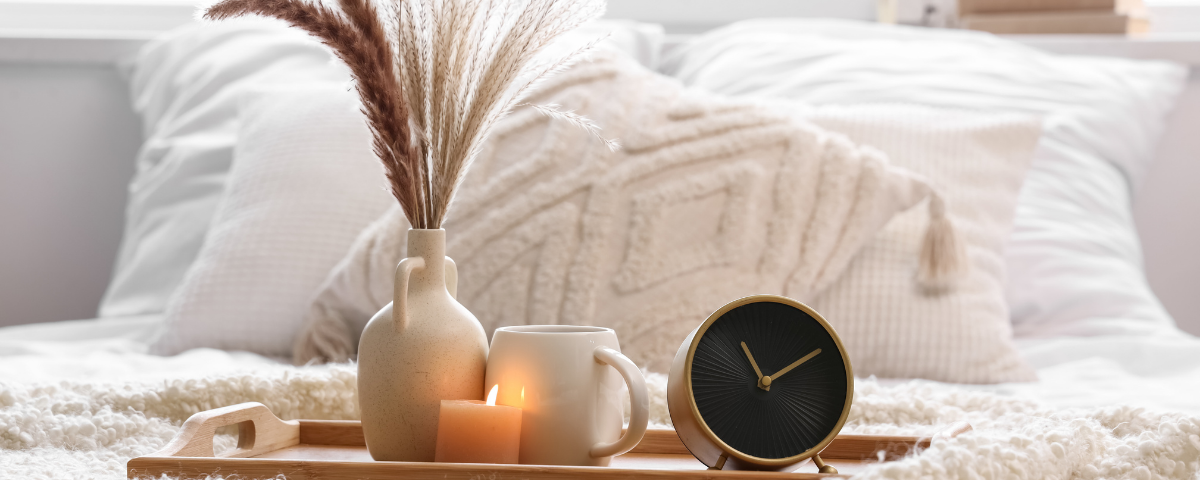
Additionally, massaging helps to mechanically loosen stubborn sebum and dirt, so they can be rinsed out completely during subsequent shampooing. Tip for an extra dose of relaxation: Combine the massage in the evening with a quiet moment in bed, while burning a relaxing lavender or sandalwood candle. This reduces stress, which is also a known trigger for scalp problems.
4. Dry vs. Oily: How to Find the Right Balance
Scalp care is individual. If your skin is dry and tight, after washing, opt for light, water-based moisturizing scalp serums or massage in a few drops of jojoba oil. Jojoba oil is chemically very similar to human sebum and optimally regulates oil content without clogging pores.
If, on the other hand, you have an oily scalp, you should use a clarifying shampoo or a gentle scalp scrub every two to three weeks. This intensely frees the skin from accumulated residues. Important: Always apply conditioner and hair masks only to the lengths and ends – these rich products have no place on the scalp.
Your Weekly Scalp Wellness Routine
Once a week, use a gentle scrub or wash your hair specifically with a sulfate-free, clarifying shampoo. When massaging, focus purely on the skin, not on the hair lengths.
Massage your scalp daily for 3 to 5 minutes with gentle pressure during hair washing or when dry. Do not use fingernails to avoid micro-tears.
Avoid going to bed with a completely wet scalp, as the warm, moist climate promotes fungal growth (Malassezia), which causes dandruff. Instead, protect your dry hair from friction with a silk bonnet.
Frequently Asked Questions about Scalp Care
How do I tell the difference between dry scalp and actual dandruff?
Dry scalp manifests as small, white, dry, flaky scales and is often accompanied by a general feeling of tightness. Actual dandruff (often caused by a yeast fungus) is usually larger, appears slightly oily or yellowish, and tends to stick to the hairline.
Can I apply coconut oil to my scalp?
While coconut oil has antibacterial properties, it is highly comedogenic. This means it tends to clog the pores and follicles of the scalp extremely quickly. If you want to use oils for your scalp, opt for lighter, non-comedogenic alternatives such as jojoba oil, almond oil, or argan oil.
Does apple cider vinegar help with itchy scalp?
Yes, a diluted apple cider vinegar rinse can work wonders. It helps restore the natural pH of the scalp, has antimicrobial effects against fungi and bacteria, and gently loosens light product buildup without drying out the skin.
Conclusion
If you want beautiful curls, you have to start at the root. By regularly freeing your scalp from buildup, stimulating blood circulation through massages, and avoiding harsh chemicals, you create the perfect conditions for healthy hair growth. Give your scalp the attention it deserves – your curls will thank you with maximum volume and radiant vitality.